Dried perchlorate crystals hidden inside old fume hood ductwork can detonate during renovation or demolition. That is not a hypothetical warning. It is the reason so many current lab safety standards exist. If you manage a lab, an EHS program, or a capital equipment budget, understanding perchloric acid fume hood requirements is the single best way to keep a routine construction project from turning into an explosion.
This guide is built for EHS managers, lab managers, and procurement decision-makers who need answers they can act on. You will learn when a dedicated hood is genuinely required, why a standard hood cannot stand in for one, how to evaluate an aging system before anyone touches it, and how to decide between remediation and replacement.
Three things to take away before you read further:
- Heat and concentration, not just presence of the acid, drive the decision.
- The real danger usually stays hidden in sealed ductwork for years.
- The replace-versus-remediate call is as much a budget decision as a safety one.
What Is a Perchloric Acid Fume Hood?
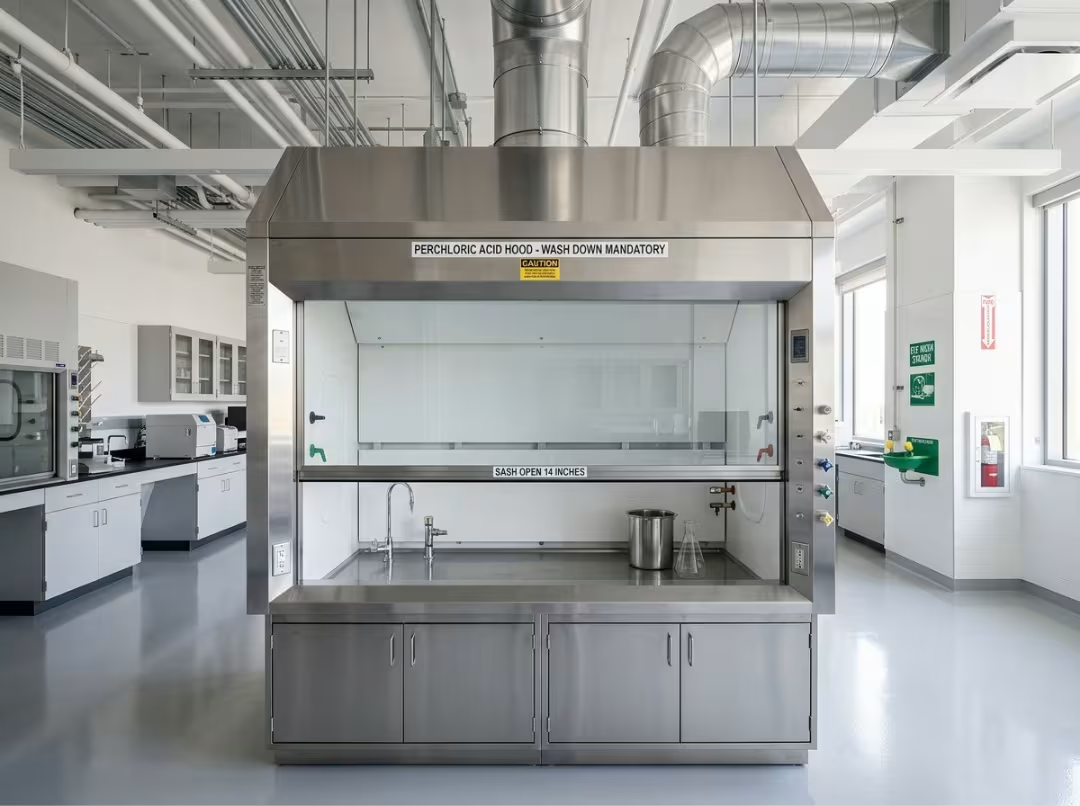
A perchloric acid fume hood is a specialized lab hood built for work with hot or concentrated perchloric acid. It combines an integrated wash-down system, non-reactive interior and duct materials, and dedicated exhaust. Those features flush acid vapors away before they dry into shock-sensitive perchlorate crystals.
The wash-down system is the part that matters most. A standard hood has no way to rinse acid residue from its baffles, ducts, and exhaust stack. Over time, perchloric acid vapor condenses and dries into flammable perchlorate salts. That is why a standard hood can never quietly substitute for a perchloric acid hood on heated work. It simply has no defense against the buildup.
When Do You Actually Need a Perchloric Acid Fume Hood?
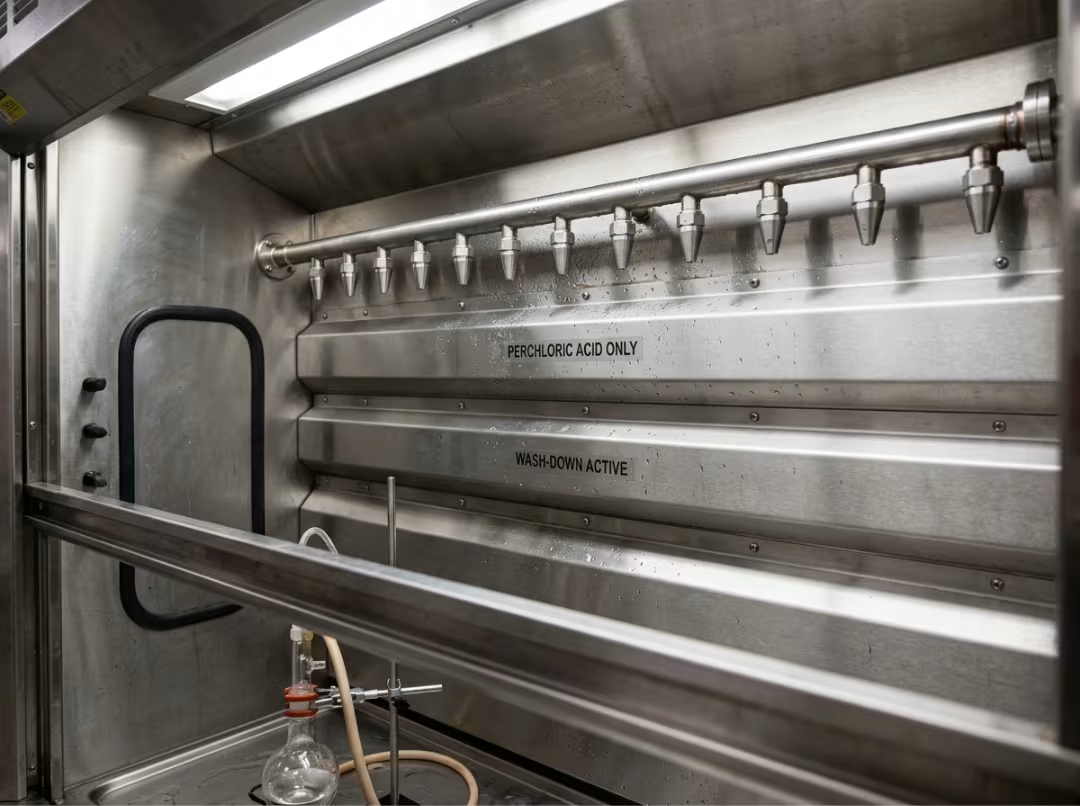
Heat and concentration set the threshold. Many institutional policies and safety guidelines flag procedures that use perchloric acid at concentrations above roughly 50% when heated as work that requires a dedicated hood with a wash-down feature.
A simple way to frame it:
- A standard hood may be acceptable for cold, dilute perchloric acid used occasionally, with no heating.
- A dedicated hood is required for routine hot digestion, concentrated solutions, or any heated perchloric acid work.
Here is where many teams get into trouble. The mistake is assuming that occasional use of perchloric acid automatically makes a standard hood acceptable. In practice, concentration alone is not the whole decision. You also have to weigh heat, frequency, the amount of vapor the process generates, and whether the existing exhaust was ever designed for acid service. A once-a-month heated digestion can quietly seed years of crystal buildup.
Lean on recognized anchors when you decide. NFPA 45 addresses fire protection for labs using chemicals, Brookhaven National Laboratory (BNL) publishes widely referenced sampling and decontamination procedures, and your own institutional EHS policy sets the final baseline. Before you assume a standard hood is safe, confirm the concentration, the heat, and the frequency of the work in writing.
Perchloric Acid Hood vs. Standard Fume Hood
The comparison below shows why swapping one for the other is never a shortcut.
|
Feature |
Standard Fume Hood |
Perchloric Acid Fume Hood |
|---|---|---|
|
Wash-down system |
None |
Integrated, rinses interior and ducts |
|
Ductwork material |
Standard metal or coated |
Non-reactive (e.g., stainless steel), acid-compatible |
|
Duct routing |
Flexible, often shared |
Dedicated, vertical, short runs preferred |
|
Exhaust fan and scrubber |
Basic exhaust |
Dedicated exhaust with effluent scrubber |
|
Baffle and interior surface |
General-purpose |
Non-reactive, smooth, washable |
|
Crystal buildup risk |
High with perchloric use |
Minimized by design |
|
Typical use case |
General solvents and acids |
Hot or concentrated perchloric acid |
|
Decontamination complexity |
Extreme if contaminated |
Lower, thanks to wash-down |
Here is the key difference for procurement readers: some of these rows describe features, but the important ones describe lifetime risk. The wash-down system and duct material are not upgrades. They are the difference between a hood you can safely decommission and one that later becomes a hazardous, six-figure remediation project. That is why comparing only the upfront purchase price misleads you. If your team is still mapping out which units fit which procedures, it helps to review the full range of laboratory fume hoods and ventilation systems side by side before you commit a budget line.
Why Is Perchlorate Crystal Buildup So Dangerous?
When hot perchloric acid is used without wash-down capability, the vapor travels into the ductwork and condenses. As it dries, it leaves behind perchlorate salts that look like harmless white powder. They are anything but harmless.
These deposits accumulate over time in the hood interior, baffles, filters, fans, ducts, and exhaust stacks. Once dry, they become flammable and highly explosive. Heat, impact, or contact with certain other chemicals can set them off.
The real trap is what safety professionals call the sealed-ductwork Catch-22. Most fume hood ducts are sealed and cannot be inspected without cutting into them, yet cutting is exactly what you cannot safely do if crystals may be present. Much of what the global lab community knows about this hazard was learned from tragic explosions during renovation and demolition over the past century.
In older facilities, this is a hidden liability. A hood installed decades ago may carry contamination that no current staff member ever witnessed being created. The hood itself may look perfectly acceptable while the ductwork tells a very different story.
What Does Wash-Down and Exhaust Design Require?
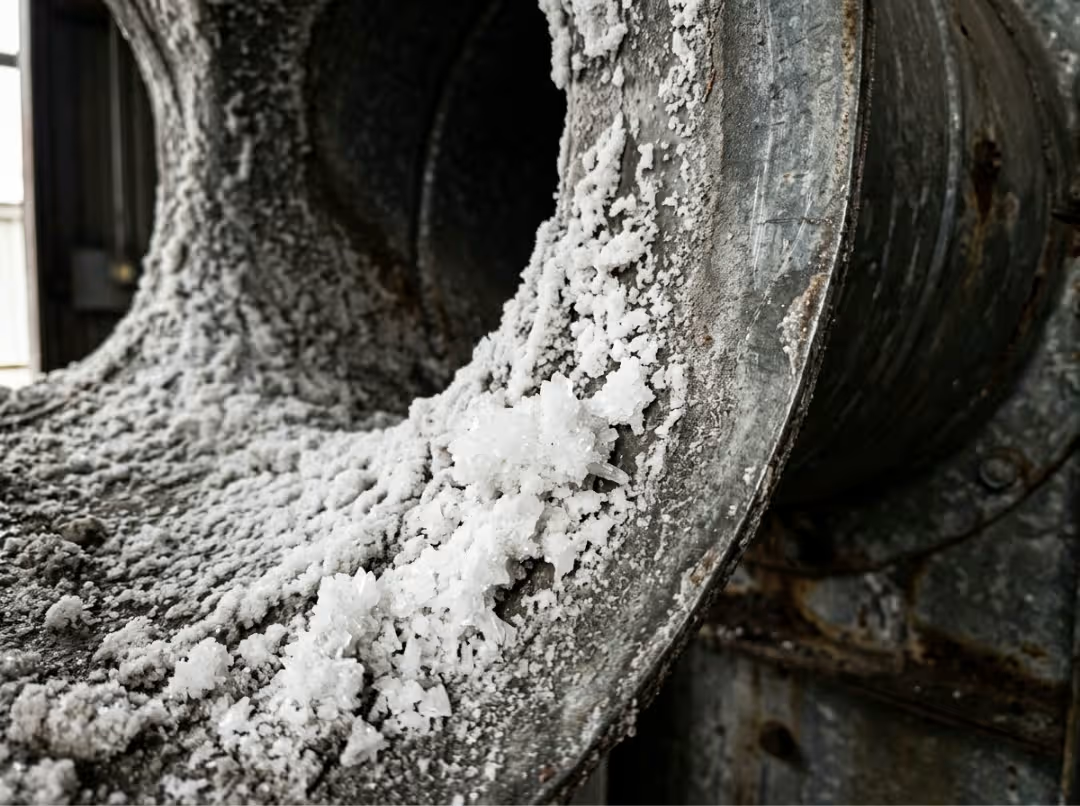
Good wash-down design prevents the problem instead of chasing it later. These are the factors that carry the most weight:
- Wash-down system: Sprays flush the interior work area and ducts, clearing acid residue before crystals can form.
- Effluent scrubbers: These capture acid vapor and stop it from migrating deeper into the duct system.
- Material compatibility: Ducts, joints, and interior surfaces must resist corrosion by perchloric acid over the long term.
- Duct routing: Minimize horizontal runs, keep runs short, and ensure proper drainage so rinse water carries residue away.
- Fan, stack, and monitoring: A dedicated exhaust fan and stack, plus monitoring points, keep the system reliable.
Before any purchase, confirm every one of these design factors with the manufacturer. A hood labeled “perchloric acid” still needs verified wash-down function and compatible ductwork to actually protect your team. When you specify a new unit, match the build to the exact procedure it will support, and compare options directly on the acid-resistant and perchloric acid fume hood specifications so wash-down capability, duct material, and scrubber compatibility are all documented up front rather than assumed.
How Do You Evaluate an Existing Hood Before Renovation?
If you suspect an existing hood contains perchlorate deposits, follow a structured evaluation. Testing must be handled by an experienced consultant or decontamination specialist, and your results are always limited by how much of the ductwork you can safely reach.
- Visual inspection. Examine the hood interior and exhaust stack openings for whitish deposits, to the extent access allows.
- Swab surface sampling. Using a fixed-size template, collect all deposits within a known area at the heaviest deposition points, following the BNL procedure.
- Collect field blanks and background samples. These establish a baseline so your results actually mean something.
- Laboratory analysis. Samples are analyzed by High-Performance Liquid Chromatography/Mass Spectrometry (HPLC/MS) using EPA Method 6850, which provides accurate perchlorate concentration measurements.
- Interpret the results. Compare concentrations against the NFPA 45 and BNL thresholds to classify results as negative, suspect, or positive.
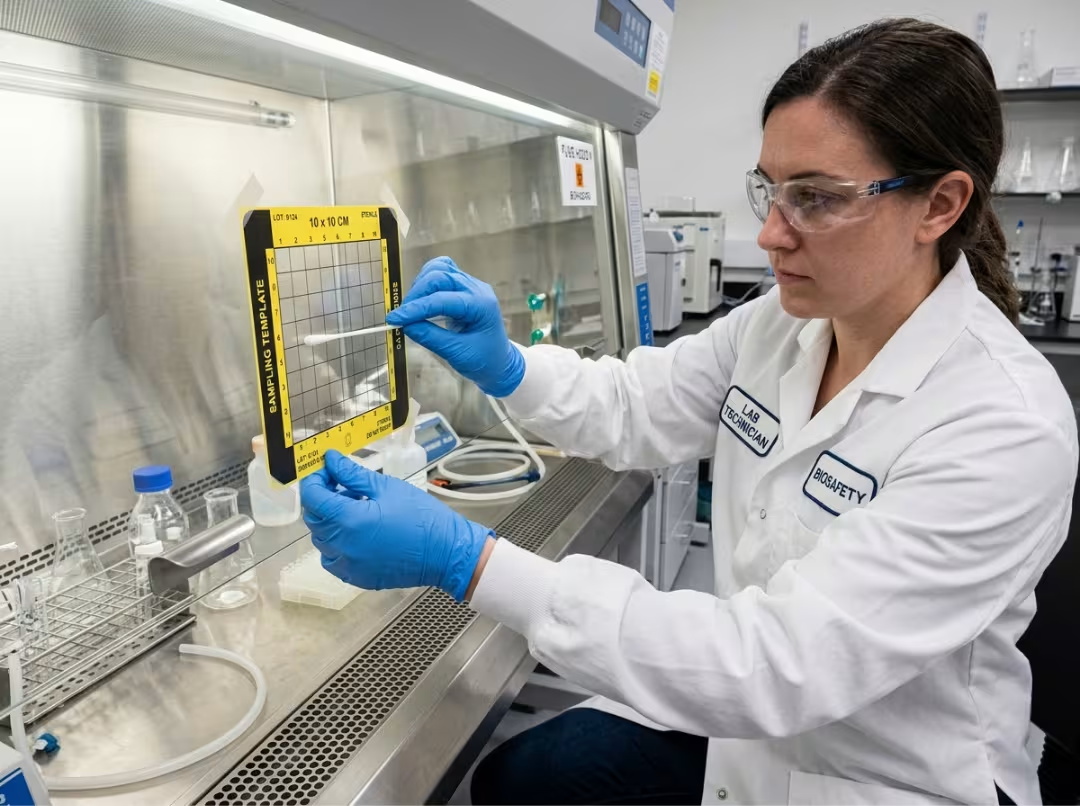
One thing to skip: the old methylene blue test. It provides an immediate color result but can produce both false negatives and false positives because it reacts with other chemical residues that are often present. Modern practice no longer treats it as reliable for perchloric acid testing.
Timing matters more than most teams expect. By the time demolition is already scheduled, the safe options are usually narrower, and the costs are higher. Evaluate the hood well before a renovation is scheduled.
What Do Decontamination and Remediation Involve?
When testing confirms deposits, decontamination becomes necessary. The core principle is simple to state and demanding to execute: flush the ductwork with large volumes of water for at least 24 hours.
That sounds simple until you factor in a real building. Duct type, location, and access points create logistical headaches, so every protocol has to be designed on a case-by-case basis to prevent water from leaking into adjacent spaces. Schedule this work during periods of low building occupancy.
Worker protection is non-negotiable and covers two fronts:
- Chemical protection: Tyvek or chemical suits, gloves, face shields, and respirators.
- Physical protection: Ballistic gear such as Kevlar body protection and helmets, similar to what bomb disposal teams wear.
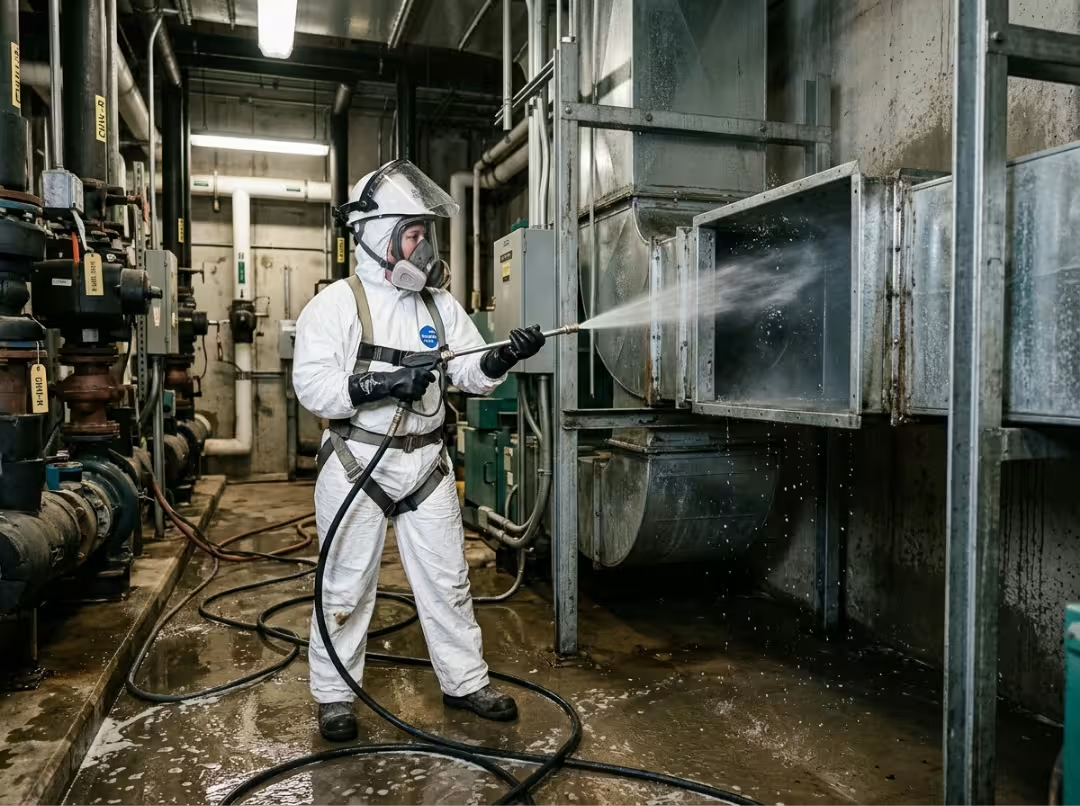
After the flush, dismantle ductwork using a wet demolition method wherever possible. Removed duct sections can be rinsed further or soaked, sometimes submerged in a tank or vessel on-site for another 24 hours. For stubborn deposits, limited scraping is acceptable only as a fully wet process. Finally, handle waste and rinse water in accordance with local regulations. Some municipalities allow sanitary drain disposal, while others require collection, pre-treatment, or specialized disposal.
How Do You Keep Renovation and Demolition Safe?
The golden rule: duct removal must never come before decontamination. Uninformed demolition of contaminated ductwork is precisely how the historical explosions happened.
Keep these protocols front and center:
- Dismantle using wet methods, with crews wearing ballistic gear.
- Use on-site soaking in tanks, bins, or vessels for stubborn deposits.
- Coordinate trades, EHS, and specialists so no demolition worker touches a duct without clearance.
- Document every step and verify clearance before any material leaves the site.
A short pre-project meeting between EHS and the demolition contractor can prevent a catastrophe. Make it standard practice, not an afterthought.
Should You Remediate or Replace the Hood?
This is the decision that separates reactive teams from strategic ones. Use the guidance below.
Lean toward remediation when:
- Ductwork is reasonably accessible.
- Deposit levels are low to moderate.
- The existing hood and system are otherwise viable.
Lean toward replacement when:
- Contamination is extensive.
- The hood design is obsolete and lacks a wash-down system.
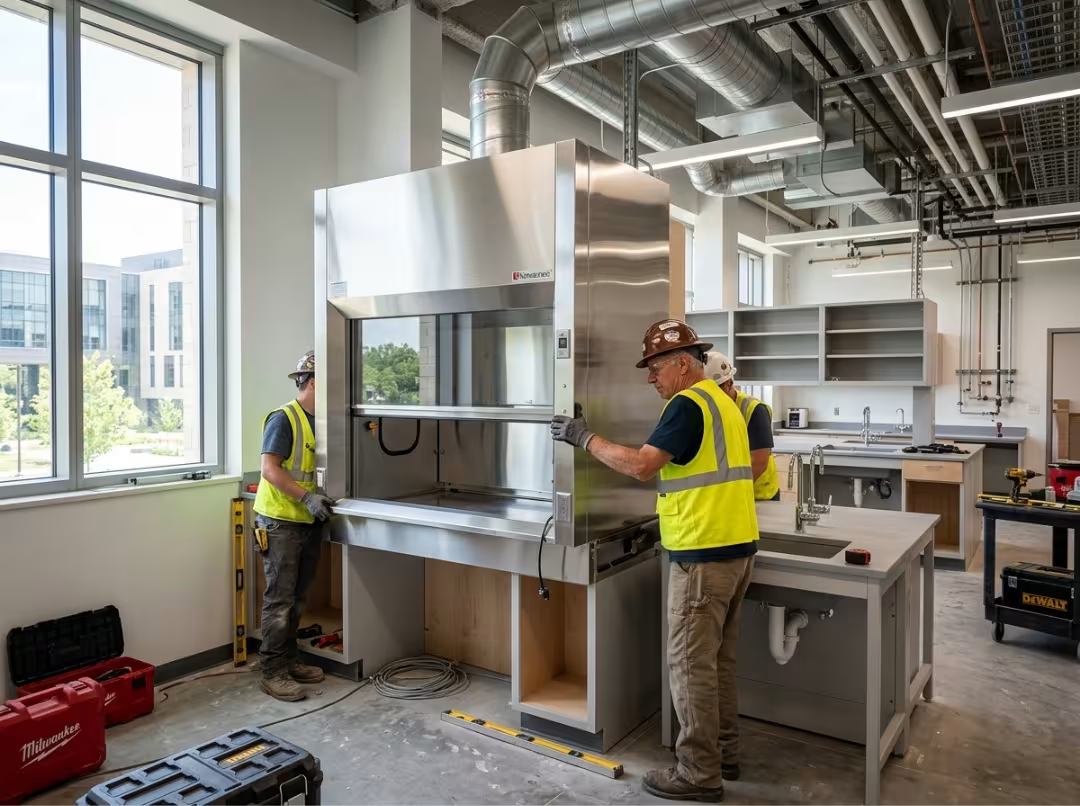
- You already have a lab renovation planned.
Weigh three variables: cost, downtime, and long-term risk. Remediation often looks cheaper on paper, but an obsolete hood with no wash-down continues to pose risk long after the invoice is paid. For procurement teams, folding replacement into capital planning frequently delivers the lowest total cost over the hood’s life. When you reach this point, it pays to pressure-test the numbers with someone who has run both paths. You can walk through your situation with the Glory Lab Furniture team to compare a compliant replacement against a full remediation before you commit.
Perchloric Acid Fume Hood Inspection Checklist
Use this scannable checklist during audits and pre-project reviews:
- Confirm intended use (heated or concentrated perchloric acid?)
- Verify the wash-down system is present and functioning
- Check duct material compatibility and routing
- Inspect for whitish crystal deposits in the hood, baffles, and stack
- Review effluent scrubber operation
- Confirm testing history and documentation
- Assess access points for future sampling
- Validate PPE and emergency procedures for staff
Keep a printable copy in your lab safety binder so nothing slips through the cracks.
Frequently Asked Questions
What makes perchloric acid dangerous in fume hoods?
Hot perchloric acid vapor dries into perchlorate salt crystals inside ducts and baffles. Those crystals are flammable and shock-explosive, and they can detonate from heat, impact, or chemical contact.
Can I use a standard fume hood for perchloric acid?
Not for hot or concentrated work. A standard hood has no wash-down system, so crystals accumulate over time. Heated or concentrated perchloric acid requires a dedicated perchloric acid hood.
How do I know if my ductwork has perchlorate buildup?
Have an experienced specialist perform a visual inspection and swab sampling, then send samples for lab analysis. Sealed ducts often hide deposits, so professional testing is the only reliable way to know for sure.
What test detects perchloric acid contamination?
Laboratory analysis by HPLC/Mass Spectrometry using EPA Method 6850. Avoid the outdated methylene blue test, which produces false positives and false negatives.
How long does perchloric acid decontamination take?
The core water flush runs a minimum of 24 hours, with additional soaking of removed duct sections often taking another 24 hours. Total project time depends on duct access and complexity.
Is it cheaper to remediate or replace a contaminated hood?
It depends on the severity of contamination and the system’s age. Remediation suits accessible, lightly contaminated systems. Replacement often wins when contamination is heavy, or the hood lacks a wash-down system.
What standards govern perchloric acid hoods?
NFPA 45 and Brookhaven National Laboratory (BNL) procedures are the key references, alongside your institution’s EHS policy.
Conclusion and Next Steps
The most dangerous outcomes from perchloric acid are also the most preventable. Correct hood selection and wash-down design stop crystal buildup before it starts, while structured testing protects anyone working near an older system. The teams that avoid disasters treat testing, decontamination, and the replace-versus-remediate call as planned decisions rather than last-minute reactions.
Start by running the inspection checklist on any hood used for perchloric acid. If you find deposits or an outdated design, bring in a qualified specialist before you schedule any renovation. When you are ready to specify a compliant hood or plan an evaluation, reach out to the Glory Lab Furniture team to review your options and protect your lab, your staff, and your next construction project.