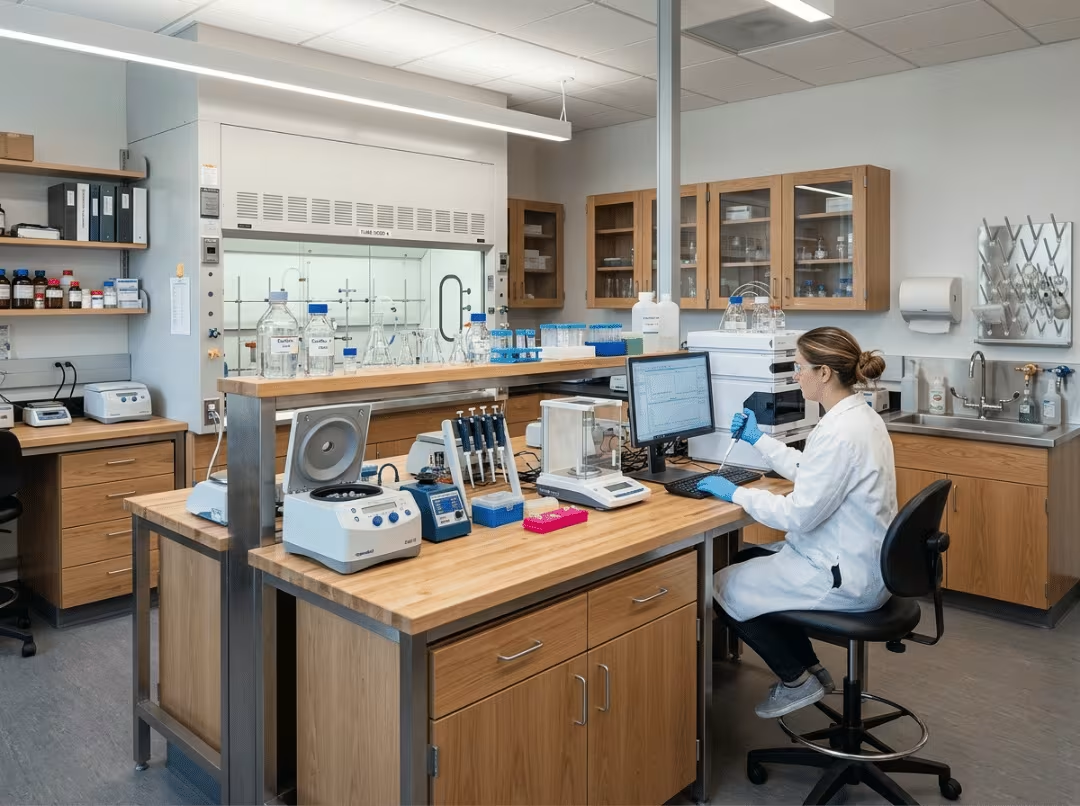
A science classroom is one of the hardest environments for furniture to ever face. Students don’t sit still — they spin, lean back to talk, reach across shared benches, tip onto two legs, and drop onto the seat backpack-first between periods. Multiply that by six classes a day, five days a week, across an entire school year, and you start to see why a lab stool takes more abuse than almost anything else in the room.
Yet the stool is usually the last thing anyone thinks about. Benches, sinks, gas taps, storage — those get planned carefully. Seating gets ordered at the end, often by lowest price, and the regret shows up fast: wobbly bases within a semester, torn seats stained with iodine, a pneumatic lift that sags, or a stool that slides sideways at exactly the wrong moment. Replacing a full lab twice in a few years costs far more than buying well once.
This guide is written for lab coordinators, school administrators, and procurement staff who want stools that survive real classroom conditions. We’ll walk through the stool types worth considering, the safety features that actually prevent injuries, how to match comfort to real students, which materials last, what fails and when, and a practical checklist to run before you place a large order.

Stool Types: What Actually Fits a Classroom
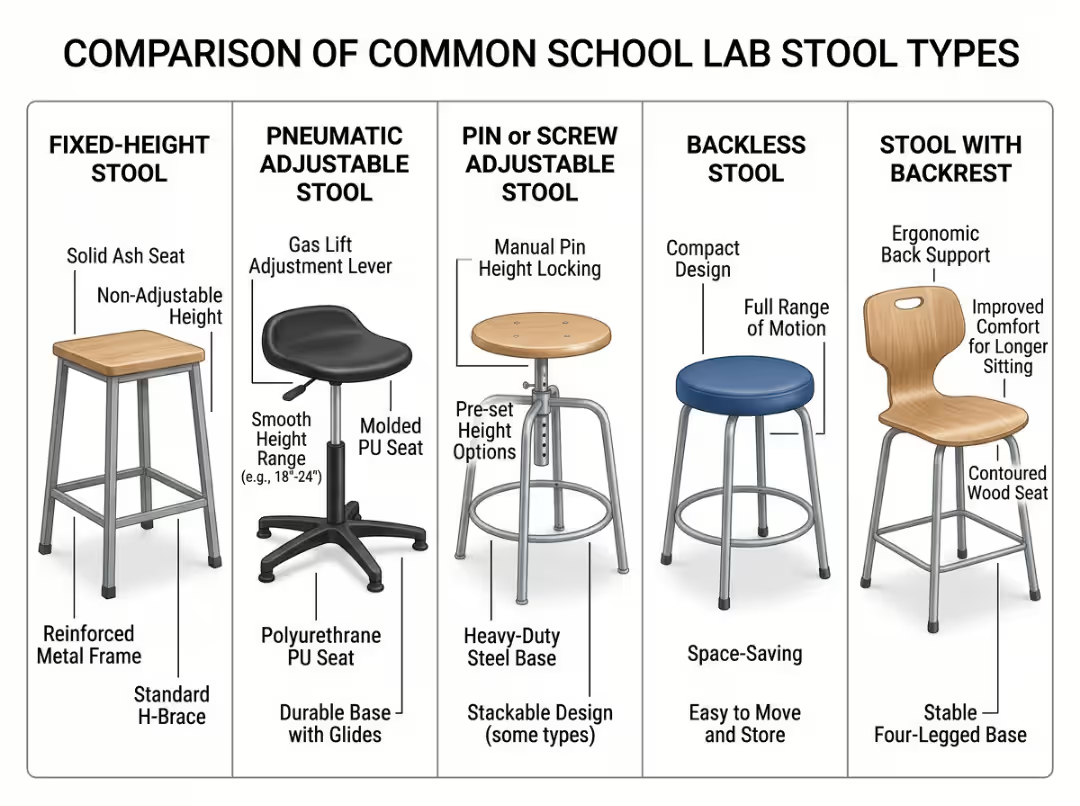
Most school lab seating comes down to a few decisions: fixed or adjustable height, and backless or with a backrest. Each choice trades cost against flexibility, and the right answer depends on your students and your benches.
- Fixed-height stools are the classic choice: one seat height, built for one bench height. Fewer moving parts means fewer things break, and the price is lower. They work well when every bench in the room matches, and students are roughly the same size — a single grade level, for example. The downside is obvious the moment student heights vary: a fixed stool forces a compromise, and shorter students end up with feet dangling.
- Pneumatic adjustable stools use a gas lift to change height with a lever. These shine in labs shared across age groups — picture a middle school room where a 4-foot-10 student and a 5-foot-8 student use the same bench in back-to-back periods. A pneumatic stool is often the only option that fits both comfortably. The trade-off is the cylinder itself: it’s a wear part that can sag or fail after a few years of heavy use.
- Pin or screw-adjustable stools offer height flexibility without the gas cylinder. A pin locks the seat at set heights; a threaded screw raises or lowers it manually. They adjust more slowly than pneumatics, but there’s no cylinder to fail — a sensible middle ground for schools that want adjustability with less long-term maintenance.
- Backrests help when students sit for long stretches without needing to move. For a 90-minute lab, a low back or lumbar bar supports posture, especially for older students. But backrests add cost and bulk, and they get in the way when students need to rotate and reach across a shared bench. Many school labs choose backless stools for exactly that reason.
|
Stool type |
Best for |
Main drawback |
|---|---|---|
|
Fixed-height |
Single grade, matched benches, tight budgets |
No flexibility for mixed student heights |
|
Pneumatic adjustable |
Labs shared across age groups |
Gas cylinder is a wear part |
|
Pin/screw adjustable |
Schools wanting adjustability, less upkeep |
Slower to change height |
|
Backless |
Active labs with lots of turning and reaching |
Less support for long seated periods |
|
With backrest |
Longer sessions, older students |
Bulkier, costlier, gets in the way |
Safety: The Features That Actually Prevent Injuries
Safety is where cheap stools quietly fail. A few construction details separate a stool that keeps a student steady from one that puts them on the floor.
Base Design and Tipping Resistance
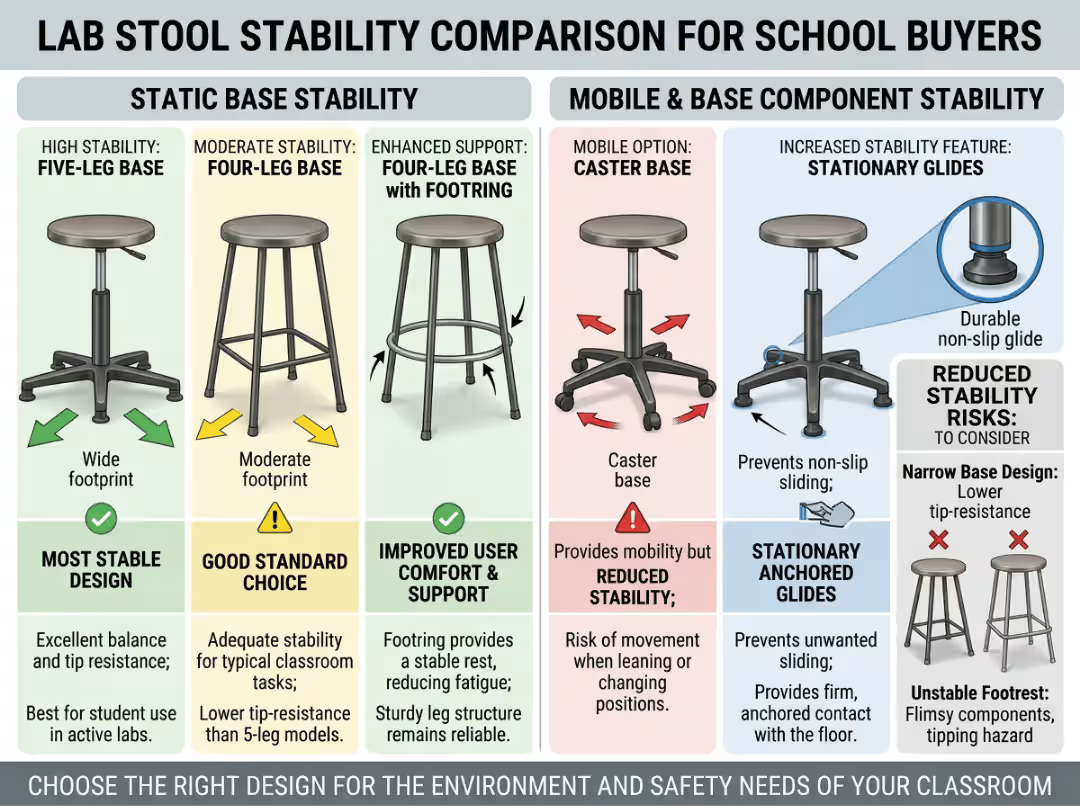
A five-leg base beats a four-leg base, and the reason is simple physics: five legs spread weight over a wider, more even footprint, so the stool resists tipping when a student leans sideways to reach a burette or turns to talk to a lab partner. A four-leg stool has four directions it can tip; a five-star base has none that aren’t braced.
A footring matters just as much. It gives students a place to rest their feet, but it also anchors their weight low and central. When a student pushes off or leans, the footring keeps their mass over the base instead of levering the stool onto two legs. Some buyers worry a wider base eats floor space — in practice the difference is an inch or two of radius, a tiny cost for meaningfully better stability.
Casters vs. Fixed Feet
This choice has real safety consequences. Fixed feet (glides) are the safer default for hands-on bench work. They keep the stool planted while students handle chemicals, glassware, or a Bunsen burner.
Here’s the hazard with wheels: a student on unlocked casters leans across the bench to reach a burner, the stool rolls backward out from under them, and they either fall or lunge toward an open flame to catch themselves. That’s not a rare edge case — it’s a predictable outcome of putting free-rolling wheels under active teenagers near heat sources. If you do want mobility, choose lockable casters and reserve them for lecture-style or write-up areas rather than the wet bench.
Fire Retardancy and Edges
Foam and upholstered seats in a school should meet fire safety standards — ask the vendor directly which flammability standard the foam and cover meet, and get it in writing. Self-extinguishing foam, flame-retardant covers, or all-plastic and metal seats are the safe categories. Also check for rounded edges on the seat and base to avoid bruising shins or snagging clothing, and inspect adjustment mechanisms for pinch points. Exposed springs and sharp levers under the seat are common corners cut on budget stools.
Comfort and Ergonomics: Designing for Real Students
Comfort isn’t a luxury in a classroom — an uncomfortable student is a distracted one. And most comfort problems trace back to one avoidable mistake: buying stools before measuring the benches.
Match Seat Height to Bench Height — Measure First
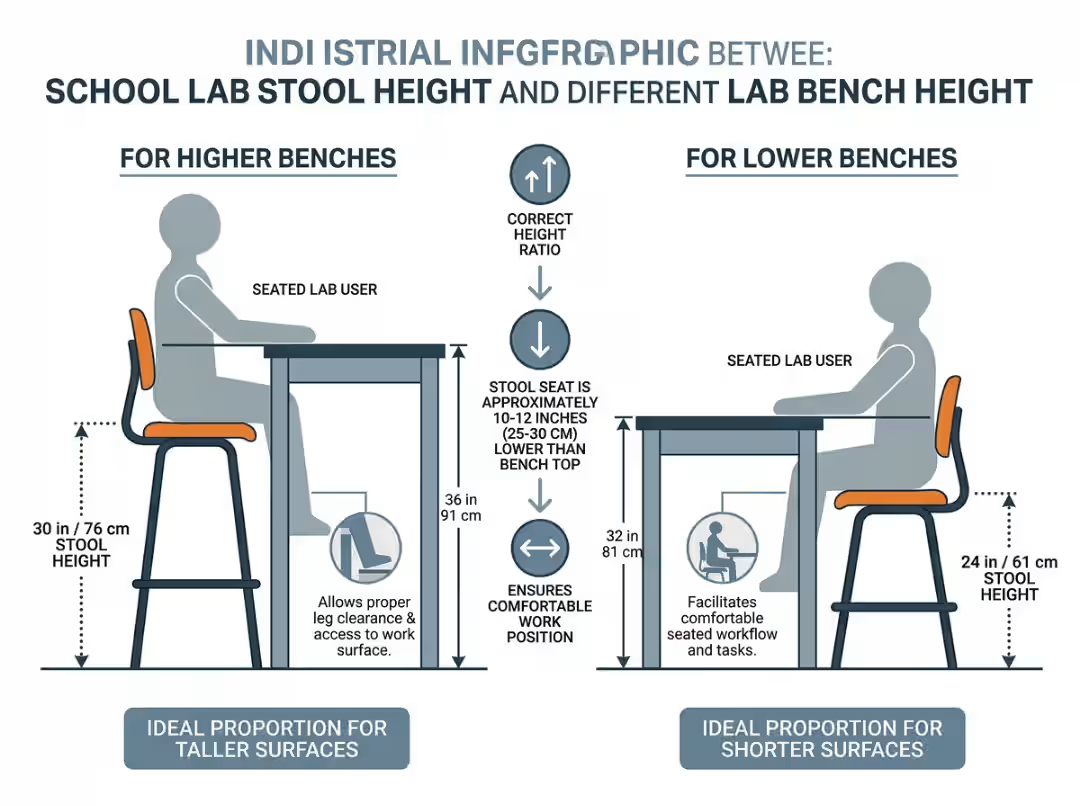
Most school lab benches sit around 36 inches high, which pairs well with a seat height of roughly 24 inches for standing-height benches, or lower for standard sitting benches. But “most” isn’t “yours.” Measure every bench style in the building before you compare stools — older schools frequently have mixed setups, and a stool that’s two inches off the correct height causes daily discomfort that adds up over a semester.
When you read a stool’s height range, pay as much attention to the lowest setting as the highest. A range that tops out tall but won’t drop low enough leaves your shortest students stranded. Because your seating needs to work with your specific bench setup, it’s worth planning stools, lab benches, and workstations together rather than treating them as separate purchases.
Footrings for Shorter Students
For younger or shorter students, the footring is one of the most important comfort features on the whole stool. Consider a 10-year-old whose feet dangle with nothing to rest on through a 50-minute class: circulation drops, they fidget, and focus is gone long before the lesson ends. A well-placed footring gives them a stable base and keeps them settled. Check the footring height and diameter against the actual students who’ll use the room, not a generic spec.
Seat Padding That Lasts
Padding quality separates a stool that stays comfortable from one that flattens by winter break. Medium-density polyurethane foam holds its shape under constant use; thin, cheap foam compresses within a semester, leaving students sitting on a hard shell. A waterfall front edge — where the seat curves down at the front — reduces pressure on the backs of the thighs during longer sessions, a small detail that matters for full class periods.
Materials: What Survives a School Year
The build determines whether stools look and work well in year five or get replaced in year two.
Frames: Steel frames with a powder-coat finish resist rust and shrug off rough handling better than the alternatives. Look for welded joints rather than bolted ones — bolts loosen under years of daily movement, while welds stay put. Chrome finishes look clean but can show corrosion in humid lab environments, so they’re a weaker choice for wet chemistry rooms.
Seats: This is where spills decide everything.
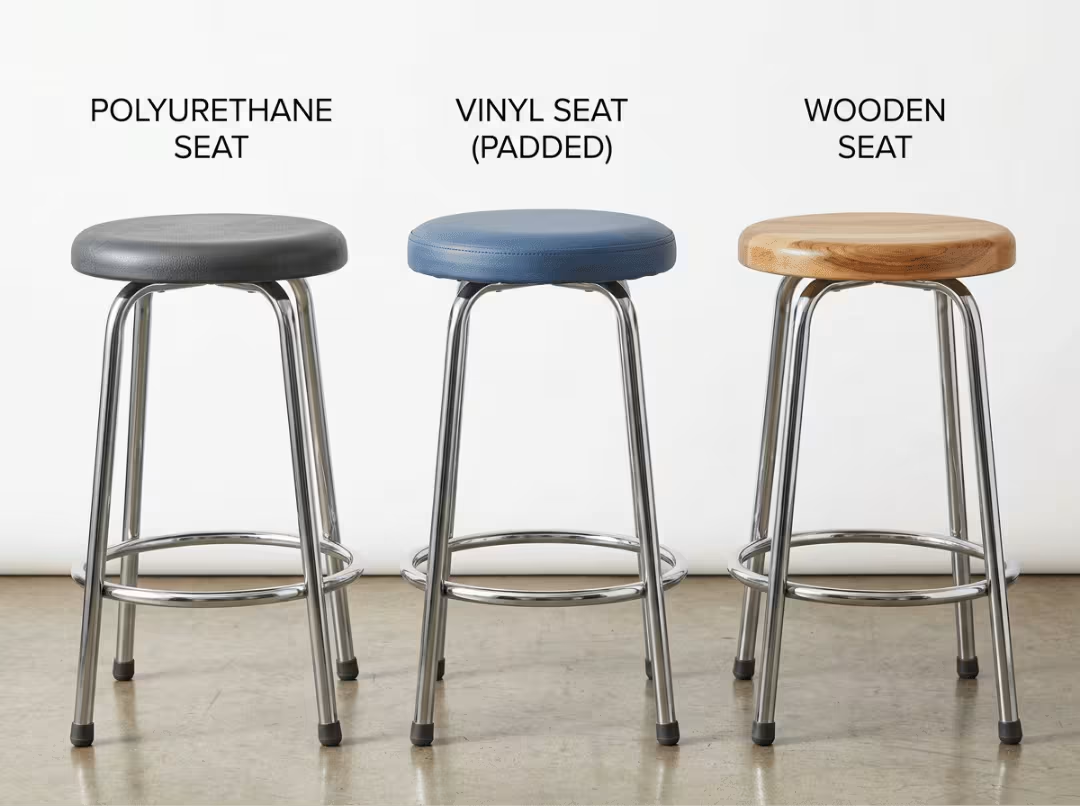
- Polyurethane (PU) is the standard for good reason: it resists most lab chemicals, wipes clean, and stays comfortable. An acid splash, iodine, or even permanent marker generally comes off a PU seat with routine cleaning.
- Vinyl is cheaper and easy to wipe, but it tears at seams and cracks over time, and a torn seat absorbs whatever spills next.
- Wood is a poor fit for labs — it absorbs spills, stains permanently from chemicals and dyes, and can’t be properly disinfected.
For the full range of seat materials and frame options suited to classroom use, our lab chairs and stools collection lays out the practical choices side by side.
Maintenance and Failure Points
Even good stools need upkeep, and knowing where they fail lets you buy around the problem.
- Pneumatic cylinders are the most common failure — they can sag or lose lift after years of heavy use. Check the warranty specifically for the cylinder, not just the frame.
- Casters collect debris — hair, threads, and grit jam the wheels, especially near carpeted corners. Hooded casters resist this better.
- Seat bolts loosen on stools that see constant movement. Designs that allow quick tightening or seat replacement save you from scrapping a whole stool.
Run a simple inspection each semester: a wobble check (grab and rock each stool), a hardware check (tighten any loose bolts), and a wheel or foot check (clear debris and confirm glides aren’t cracked). Ten minutes per lab catches problems before they become injuries.
One warranty warning: a five-year frame warranty means little if the pneumatic lift is only covered for one year. Read the coverage on the parts that actually fail. A quick test of vendor support — email them about replacement seats and casters and see how fast and clearly they respond — tells you a lot about the years ahead.
Budget: What You’re Really Paying For
The cheapest stool is rarely the least expensive one. The number that matters is cost per year of service, not the sticker price.
Run the math. A stool that costs half as much but lasts a third as long is the more expensive purchase — you’ll buy it three times while the better stool is bought once. Outfitting a 30-seat lab twice in six years, plus disposal fees and the staff hours spent ordering and swapping, easily overtakes the cost of outfitting it once with stools that hold up.
The hidden costs of cheap stools go beyond replacement. Early failures pull staff time into logistics. Safety incidents from tipping or sliding carry costs far past the stool itself. And worn, wobbly furniture changes how students treat the room — a lab that looks neglected gets treated as neglected. When you compare quotes, weigh warranty length and replacement-part availability as seriously as the unit price.
Your Pre-Purchase Checklist
Before you commit to a full order, work through these steps in order.
- Measure the benches. Confirm the height of every bench style in the building, and note where stools need to tuck underneath when not in use — that affects seat diameter and base size.
- Define the student profile. Write down the age range, typical height range, and maximum student weight for each lab. If multiple classes share a room, that points toward adjustable-height stools.
- Test a sample first. Order one stool and put it in a real lab for at least a week. Check for wobble, seat comfort, ease of adjustment, and how well it cleans after actual lab work. Ask students — they notice comfort issues adults miss.
- Review warranty and parts. Confirm what’s covered, for how long, and whether replacement seats, casters, and cylinders are sold separately.
- Order the right quantity plus spares. Add a small buffer above your exact class count, and stock a few spare casters or seats if available — replacing a whole stool because one wheel is broken is wasteful.
Planning seating as part of your overall laboratory furniture layout keeps stools, benches, and traffic flow working together instead of clashing after installation.
Frequently Asked Questions
What is the standard seat height for a school lab stool?
It depends on the bench. Standing-height lab benches, typically around 36 inches, pair well with seats in the 24-inch range, while standard sitting benches require lower seats. Always measure your specific benches first — mixed setups are common in older schools, and a two-inch mismatch causes daily discomfort.
Are casters or fixed feet safer for lab stools?
Fixed feet (glides) are the safer default for hands-on bench work because they keep the stool planted while students handle chemicals or work near flames. If you need mobility, use lockable casters and limit them to lecture or write-up areas, not the wet bench.
What seat material resists chemicals best?
Polyurethane (PU) is the best all-around choice for schools — it resists most lab chemicals, wipes clean of spills like acid or iodine, and stays comfortable. Vinyl is cheaper but tears over time, and wood is a poor fit because it absorbs and stains.
Are pneumatic adjustable stools worth the extra cost?
For labs shared across different age groups or heights, yes — they’re often the only option that fits every student comfortably. If a single grade uses matched benches, fixed-height stools cost less and have fewer parts to fail. Just check the gas cylinder’s warranty, since it’s the most common wear point.
How long should a school lab stool last?
A well-built stool — steel frame, welded joints, powder coat, PU seat — should serve many years of daily classroom use. Cheap stools often need replacing within two to three years once the seats tear, the foam flattens, or the bases loosen. Factor in lifespan when calculating cost, not just the purchase price.
How do I clean and disinfect stools between classes?
Non-porous PU seats and powder-coated frames make this fast: a quick wipe with a disinfectant or chemical cleaner after each lab class, plus a deeper clean weekly. Avoid porous materials like wood that can’t be properly sanitized.
Choosing Stools That Last
School lab stools have to be safe, comfortable, and durable enough for constant daily use — and the cheapest option almost never delivers all three. A stool that looks like a bargain reveals its true cost at the first wobble, the first torn seat, or the first time it slides out from under a student near a flame.
The path to the right choice is straightforward: audit your benches and your students first, let that evidence pick the stool type, then test a single sample in a real lab before you place a full order. That short exercise saves you from a purchase you’ll be replacing — and regretting — a year from now. Buy for the long run, and the right stools quietly pay for themselves across years of smooth, safe lab sessions.