Key Features
- Non-porous surface — Stainless steel resists bacteria and staining, so it wipes clean and sanitizes easily.
- Chemical resistance — Good resistance to solvents, organic acids, and other common lab chemicals. Confirm suitability against your specific reagents and cleaning protocols.
- Heat resistance to 180°C — Suitable for work near burners, hot plates, and heated equipment.
- Solid construction — A 20 mm worktop with an 18 mm plywood core adds rigidity and reduces flex under load.
- Built-in backsplash — A 100 mm high waterproof panel protects walls and simplifies cleanup.
- 304 or 316 stainless steel — Select 304 for general labs or 316 for stronger corrosion resistance in harsher conditions.
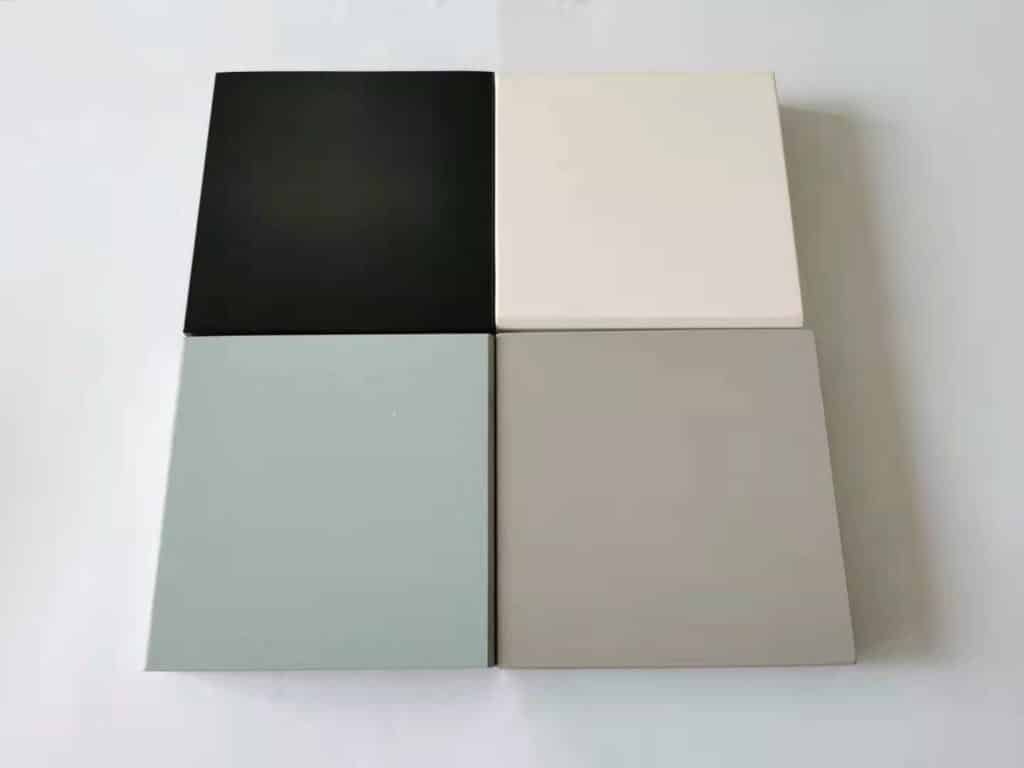
- Two surface finishes — available in mill or brushed to control glare and appearance.
Material & Construction
Each worktop is fabricated from quality stainless steel for lasting strength and a clean, professional finish.
| Specification | Detail |
|---|---|
| Material | 304 or 316 stainless steel |
| Overall thickness | 20 mm |
| Core | 18 mm plywood, mounted inside the stainless steel shell |
| Backsplash | 100 mm high waterproof panel (standard) |
| Width | 750 mm or 1500 mm |
| Length | Cut to your required length |
| Surface finish | Mill or brushed |
| Corrosion resistance | Strong resistance to solvents, organic acids, and common lab chemicals |
| Heat resistance | Up to 180°C |
| Fabrication | Sink cutouts, tap holes, edge finishing |
The plywood core sits inside the stainless steel shell to add rigidity and dampen noise, giving you a stable, quiet work surface.
Choosing Between 304 and 316
The right grade depends on your chemical exposure and environment:
- 304 stainless steel — A reliable, cost-effective choice for general laboratory use, cleaning, and everyday chemical contact.
- 316 stainless steel — Contains added molybdenum for stronger resistance to chlorides and more aggressive substances, making it a better fit for demanding or corrosive conditions.
If you’re unsure which grade suits your application, share your main chemicals and cleaning methods, and we’ll recommend the right option.
Applications
The stainless steel laboratory worktop suits a range of lab environments, including:
- General laboratories — A durable, easy-to-clean surface for daily work.
- Medical and pharmaceutical support areas — Hygienic, sanitizable surfaces where cleanliness matters.
- Chemical and testing laboratories — Resists solvents and organic acids during routine work.
- Food and beverage testing labs — Wipe-clean surfaces that support strict hygiene standards.
- Industrial and manufacturing labs — Robust enough for heavy equipment and continuous use.
For controlled or high-cleanliness environments, we recommend confirming the grade, finish, and edge detailing against your specific requirements to ensure the worktop meets your protocols.
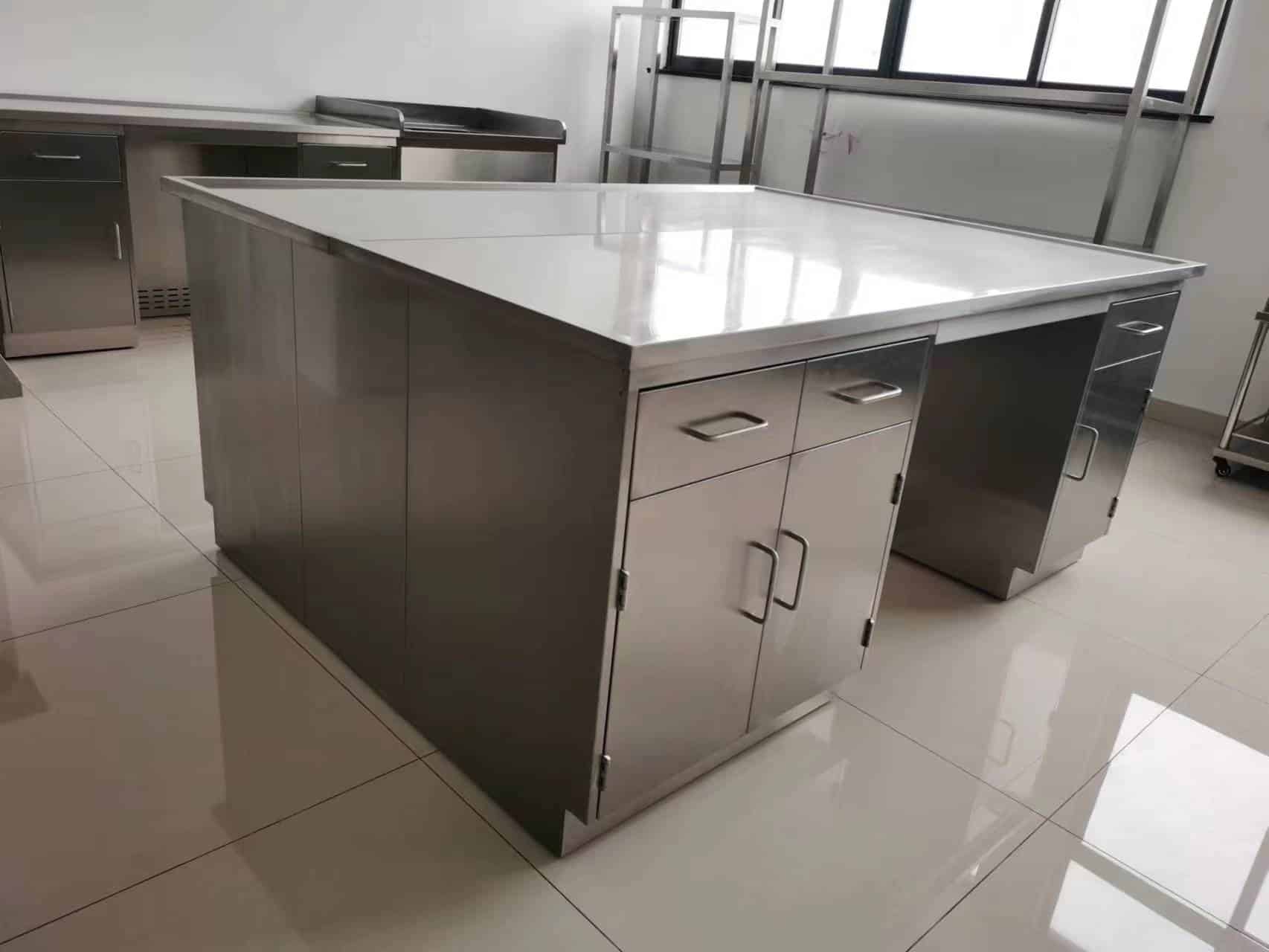
Customization Options
We supply each worktop to match your project. Available options include:
- Length — Cut to any length to fit your bench design and floor plan.
- Width — Standard widths of 750 mm and 1500 mm.
- Steel grade — 304 or 316 stainless steel, depending on your chemical exposure.
- Surface finish — mill or brushed.
- Backsplash — Standard 100 mm waterproof panel, with adjustments on request.
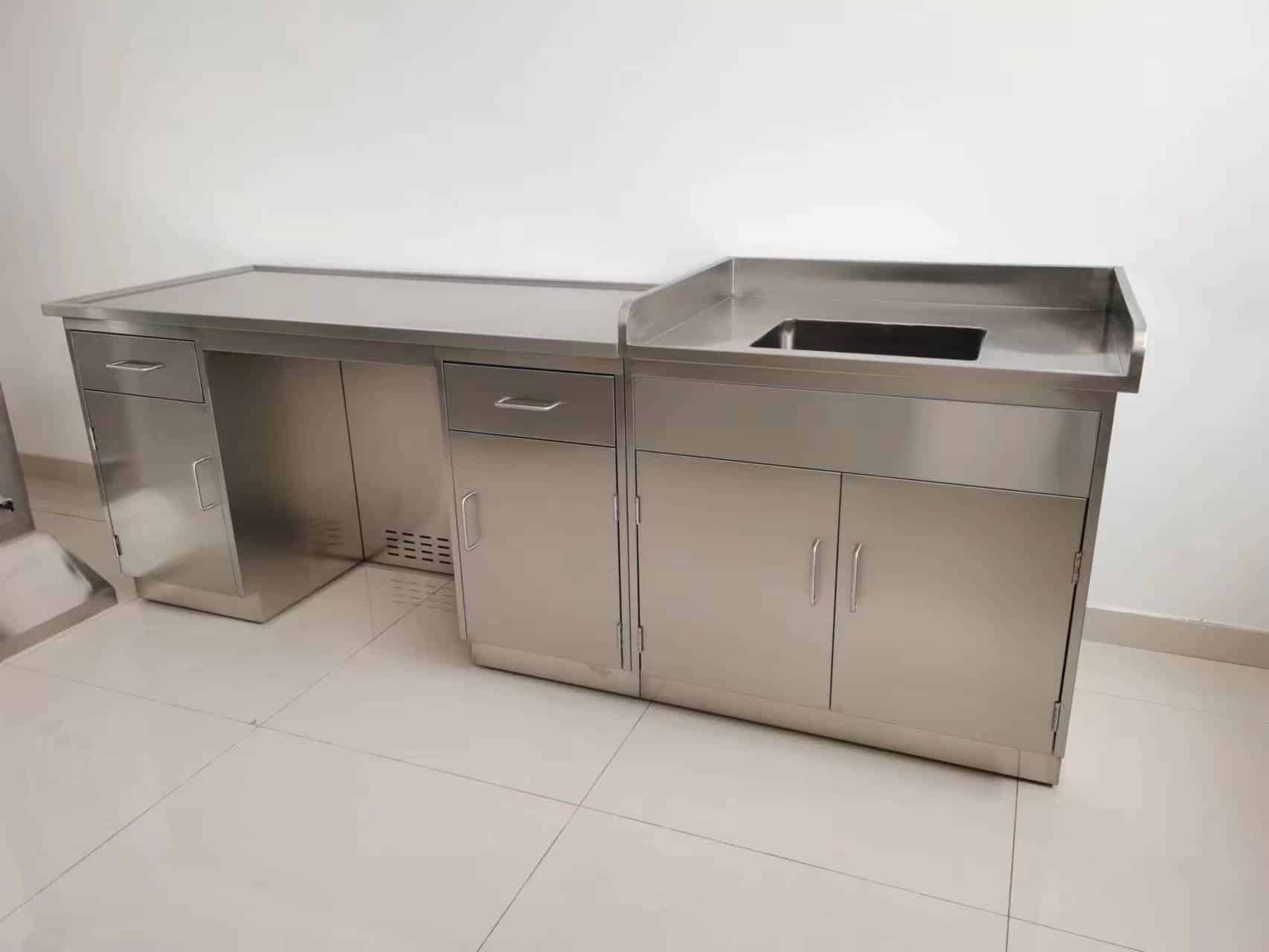
- Cutouts — Openings for sinks, taps, and service fixtures.
- Edge and corner detailing — Finished for safety and a clean appearance.
- OEM and project supply — Support for large-scale and turnkey laboratory projects.
Frequently Asked Questions
Should I choose 304 or 316 stainless steel?
It depends on your environment. Grade 304 is well-suited for general lab use, while 316 offers stronger corrosion resistance to chlorides and more demanding chemicals. Send us your main reagents and cleaning methods, and we’ll help you select the right grade.
Can you make sink and tap cutouts for our drawings?
Yes. We fabricate sink cutouts, tap holes, and other openings per your drawings, so the worktop arrives ready for installation. Send us your dimensions and fixture positions.
Is the plywood core suitable for humid lab environments?
The plywood core is fully enclosed within the stainless steel shell, which protects it from direct moisture. For consistently wet or high-humidity areas, let us know so we can advise on the best configuration.
How much heat can the worktop handle?
The surface resists heat up to 180°C, making it suitable for tasks near burners, hot plates, and other heat-generating equipment.
What’s the difference between mill finish and brushed finish?
Mill finish is the standard surface as the steel comes from the mill. The brushed finish has a uniform, directional grain that reduces glare and helps hide minor scratches. Choose the option that fits your lab’s workflow and appearance needs.
Can the worktop be cut to custom sizes?
Yes. We offer custom lengths and two standard widths (750 mm and 1500 mm), plus cutouts for sinks and fixtures, so the worktop fits your bench design precisely.
Do you support OEM and project-based supply?
Yes. As a China-based manufacturer, we support OEM production and full turnkey laboratory projects, handling design, fabrication, and delivery to your specifications.
What information should I send for an accurate quote?
Share your required length and width, steel grade (304 or 316), surface finish, backsplash height, cutout positions, and quantity. A drawing or bench layout helps us quickly confirm the specification and pricing.