Key Features
- Durable 304 stainless steel body — The JH-ES002 uses premium 304 stainless steel, which contains chromium and nickel for good resistance to rust and corrosion in general laboratory environments.
- Heavy-duty thicker-gauge construction — A thicker steel gauge than standard basins adds rigidity and impact resistance, helping the sink withstand frequent use and heavy loads without flexing or deforming.
- Hygienic, non-porous surface — The smooth surface stops dirt, bacteria, and residues from taking hold, so it sanitizes quickly — a good fit for research, medical, and educational labs.
- Good corrosion resistance for general lab use — Suited to routine wash-up, cleaning agents, and many common lab reagents. Because 304 has limitations with chlorides and certain aggressive acids, confirm its suitability for your specific chemicals and concentrations.
- Precision-welded finish — Each sink is fabricated with clean, precise welds for strong, smooth seams and a professional finish that lasts.
- Fabricated to drawing — Custom sizes and configurations are available, so the basin can be built to match your bench layout and plumbing.
- Recyclable material — 304 stainless steel is fully recyclable, supporting greener lab operations.
Technical Specifications
| Specification | Detail |
|---|---|
| Model | JH-ES002 |
| Product | Thickened 304 Stainless Steel Laboratory Sink |
| Material | Premium 304 stainless steel |
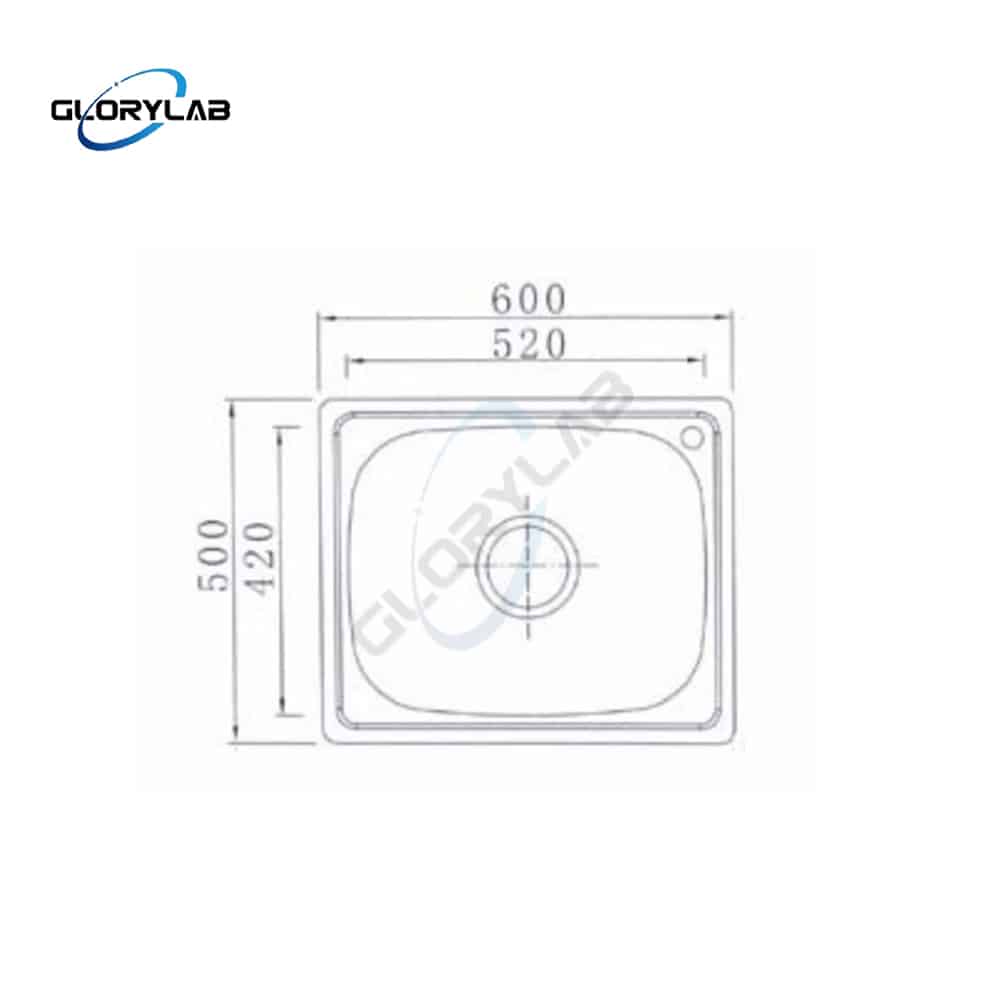
| Size | 600 × 500 × 250 mm (W × D × H) |
| Installation | Under-mount and top-mount |
| Construction | Thicker-gauge body, precision welded |
| Customization | Fabricated to drawing; available in custom sizes |
| Chemical Resistance | Good resistance for general lab use; limits with chlorides and some aggressive acids — confirm suitability |
Bowl depth, drain outlet, corner radius, and worktop cutout details can be confirmed for your project. Share your bench layout, and we’ll advise on exact dimensions before you order.
What “Thickened” Means
The JH-ES002 uses a thicker gauge of steel than standard stainless sinks. Extra material thickness gives the basin:
- Greater rigidity — less flex under load and daily use.
- Better dent and impact resistance — a tougher surface for high-traffic benches.
- Longer service life — a heavier-duty build that withstands frequent, demanding wash-up.
If you need a specific material thickness for your project, let us know, and we’ll confirm the available gauge.
When to Choose 304 Stainless Steel
304 stainless steel is one of three common lab sink materials, alongside polypropylene (PP) and ceramic. Each suits different conditions. Use the guidance below to match the material to your workflow.
| Consideration | Stainless Steel (304) | PP | Ceramic |
|---|---|---|---|
| Best for | Durable, hygienic wash-up; general lab use | Corrosive chemical handling; light weight | High-heat work; strong-acid environments (except HF) |
| Corrosion resistance | Good for general use; limits with chlorides and some acids | Broad resistance to many reagents | Broad resistance, including many strong acids |
| Strength / impact | High strength; resists dents and impact | Good impact tolerance | Hard surface; can chip under heavy impact |
| Weight | Moderate | Lightweight | Heavy; needs sturdy support |
| Cleanability | Easy to clean and sanitize | Easy to clean | Easy to clean |
Choose the JH-ES002 304 stainless steel sink when:
- You need a strong, hygienic, easy-clean basin for general laboratory wash-up.
- Your chemical exposure is routine rather than continuous aggressive corrosion.
- Durability, impact resistance, and a clean metal finish are priorities.
Consider an alternative when:
- Your work involves chlorides or aggressive acids that challenge 304 — a different steel grade, or PP may suit better.
- You handle hydrofluoric acid or need high-heat tolerance — ceramic is the stronger fit.
- Weight or budget is the main driver — PP may be more practical.
Tell us your reagents, temperatures, and bench design, and we’ll recommend the right material.
Applications
The JH-ES002 is best suited to laboratory settings where durability, hygiene, and easy cleaning are priorities:
- Laboratory benches and wash-up areas — Reliable corrosion resistance and hygiene for daily research, teaching, and testing work.
- Cleanrooms and controlled spaces — The smooth, non-porous surface sanitizes easily, supporting strict cleanliness standards.
- Teaching and research labs — A hard-wearing, easy-clean basin for high-traffic educational and institutional benches.
- Pharmaceutical and QA labs — A hygienic metal basin for hygiene-focused workflows and frequent sanitizing.
Installation Options
The JH-ES002 supports two mounting methods, so you can match it to your worktop and layout:
- Top-mount (drop-in): The sink sits on top of the bench surface for straightforward installation.
- Under-mount (undermount): The sink mounts beneath the worktop for a clean, flush finish.
For a leak-free result, keep the worktop surface level and properly seal the joint between the sink and tabletop. A confirmed cutout size helps ensure a precise fit. Choose the method that best matches your bench design and plumbing layout.
Customization Options
We fabricate 304 stainless steel laboratory sinks to fit your project requirements:
- Custom sizing — Fabricated to your required dimensions from your drawing.
- Top-mount or under-mount installation to suit your bench.
- Faucet and fixture cutouts are positioned according to your drawings.
- Drainage configuration to match your plumbing layout.
- Precision-welded seams for a clean, durable finish.
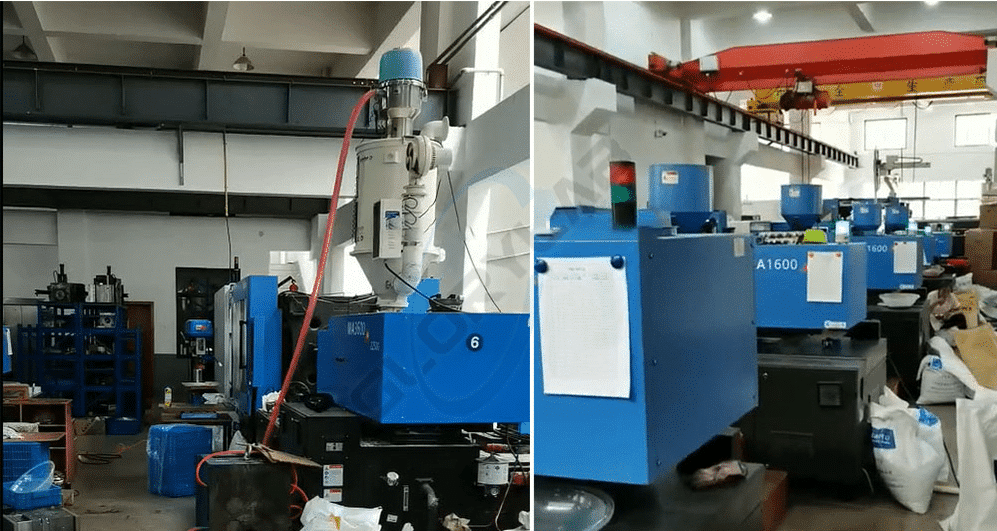
Production Facilities:
FAQ
What material is the JH-ES002 made from?
It’s fabricated from premium 304 stainless steel, which contains chromium and nickel for good corrosion resistance in general laboratory environments. A thicker-gauge body adds rigidity and impact resistance for long service life.
What chemicals can a 304 stainless steel sink handle?
304 offers good corrosion resistance for routine wash-up, cleaning agents, and many common lab reagents. It has limits with chlorides and some aggressive acids, so confirm suitability for your specific chemicals and concentrations. For continuous aggressive corrosion, a PP sink may be the better choice.
Should I choose stainless steel, PP, or ceramic?
Choose 304 stainless steel for durable, hygienic general wash-up and strong impact resistance. Choose PP for broad chemical resistance, light weight, and lower cost. Choose ceramic for high-heat work and strong-acid environments. Share your reagents and conditions, and we’ll recommend the right material.
What does “thickened” mean?
The JH-ES002 uses a thicker steel gauge than standard stainless sinks. The extra thickness adds rigidity, improves dent and impact resistance, and extends service life under frequent, demanding use.
What size is the JH-ES002, and can I order a custom size?
The standard size is 600 × 500 × 250 mm (W × D × H). Because each sink is fabricated to a drawing, we can build it to your required dimensions — just send us your bench layout and target size.
How is the sink installed?
The JH-ES002 supports top-mount (drop-in) and under-mount (undermount) installation. For a leak-free result, keep the worktop level and properly seal the joint between the sink and tabletop.
How is the sink constructed?
Each sink is precision-welded for clean, strong seams and a smooth, professional finish. This construction keeps joints durable and allows the basin to be fabricated to custom sizes.
How do I request a quote?
Send us your required size, quantity, mounting method, drainage details, and main reagents. A drawing or bench layout helps us confirm the specification and quickly prepare accurate pricing.
Request a Quote
Planning a lab fit-out or upgrading to a durable stainless steel basin? Send us your required size, quantity, mounting method (top-mount or under-mount), drainage details, and main reagents, and our team will prepare a tailored quotation for your JH-ES002 stainless steel sinks. For larger projects, share your full bench or wash-up layout so we can confirm custom sizes, cutout details, scope, and lead time.