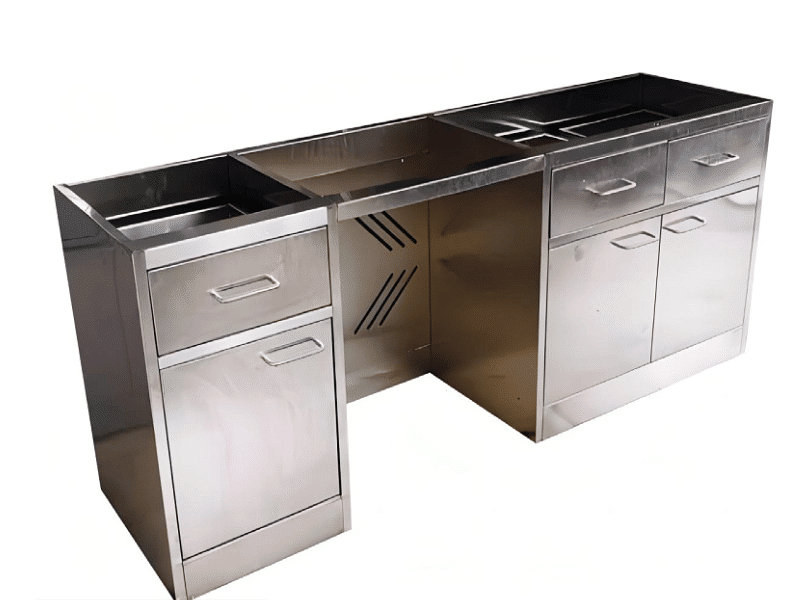
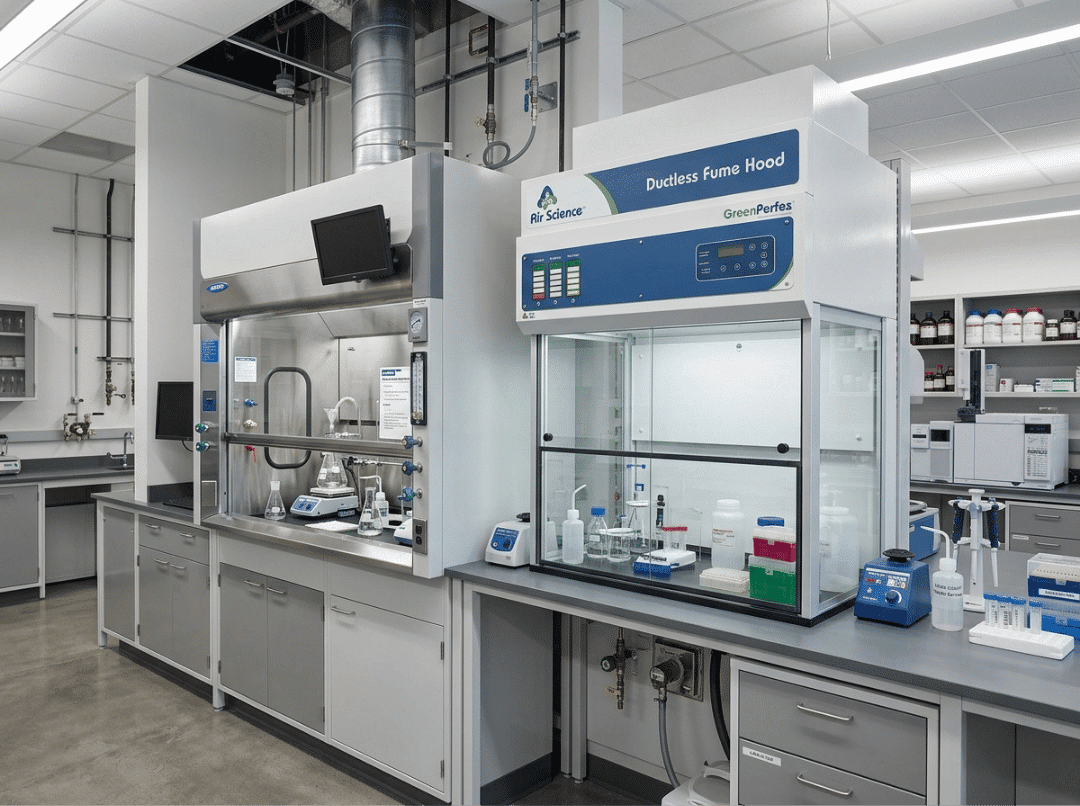
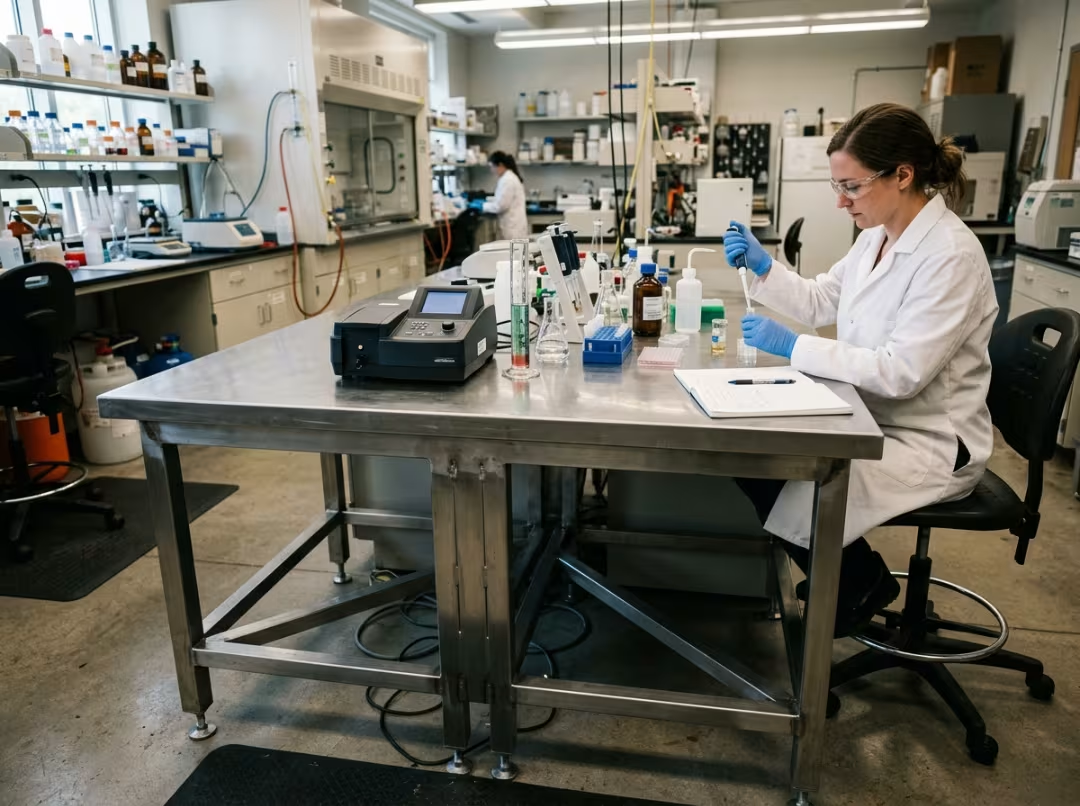
When buying a wood lab table, many buyers focus on material types or price—but that misses the point. Selecting laboratory furniture isn’t just about aesthetics or budget; it’s about ensuring the table meets your lab’s specific workflow and environmental demands. What chemicals will interact with the surface? How much weight will it need to bear consistently? And how often will it be used? These factors are crucial in determining whether your lab furniture supports efficient operations or leads to premature wear and replacement costs.
For guidance on chemical-resistant surfaces or durable worktops, check out our detailed pages on lab countertops and worktops. Similarly, if you’re configuring multiple workstations, our overview of laboratory furniture solutions highlights modular, space-saving options to optimize your setup.
By focusing on your lab’s actual conditions, not catalog photos or generic specifications, you can make informed decisions that improve performance and reduce long-term costs.
Once you know your use case, two factors decide whether a wood lab table performs for years or fails within months: surface finish and structural capacity. Wood species matters, but it’s secondary. This guide walks through a four-step decision process: classify your lab scenario, choose the right surface finish, verify structural capacity, and calculate the true cost of ownership before you sign a purchase order.
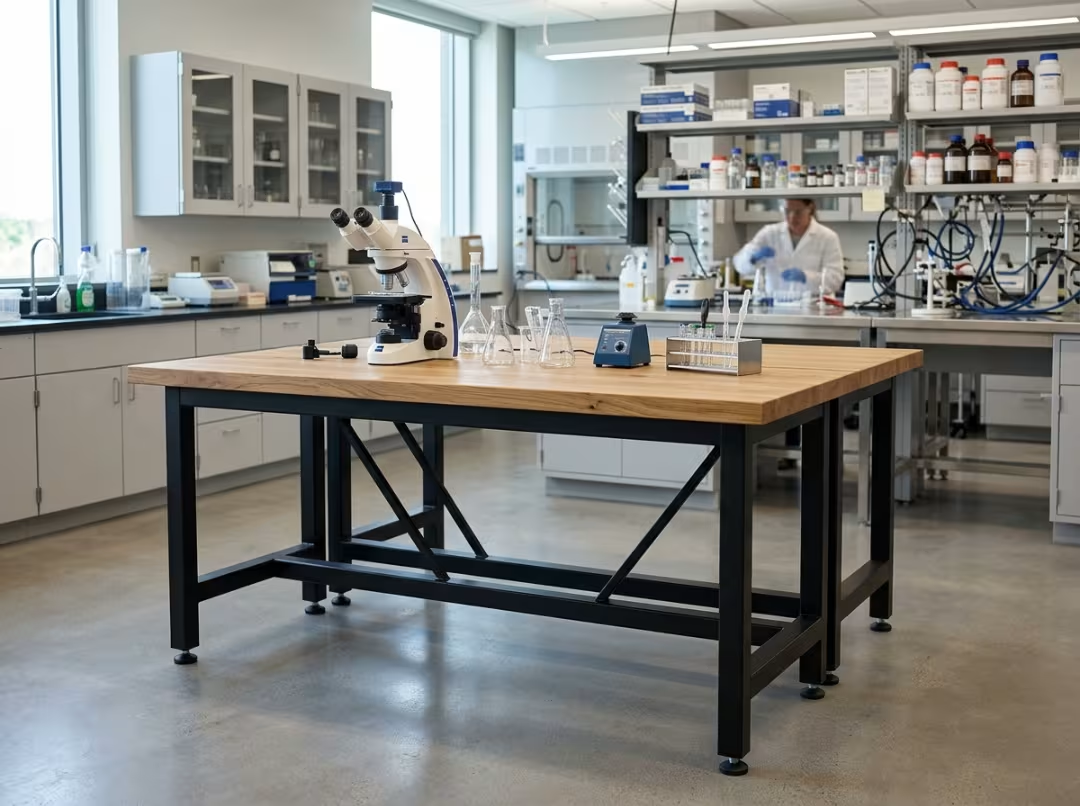
Classify Your Lab Scenario First
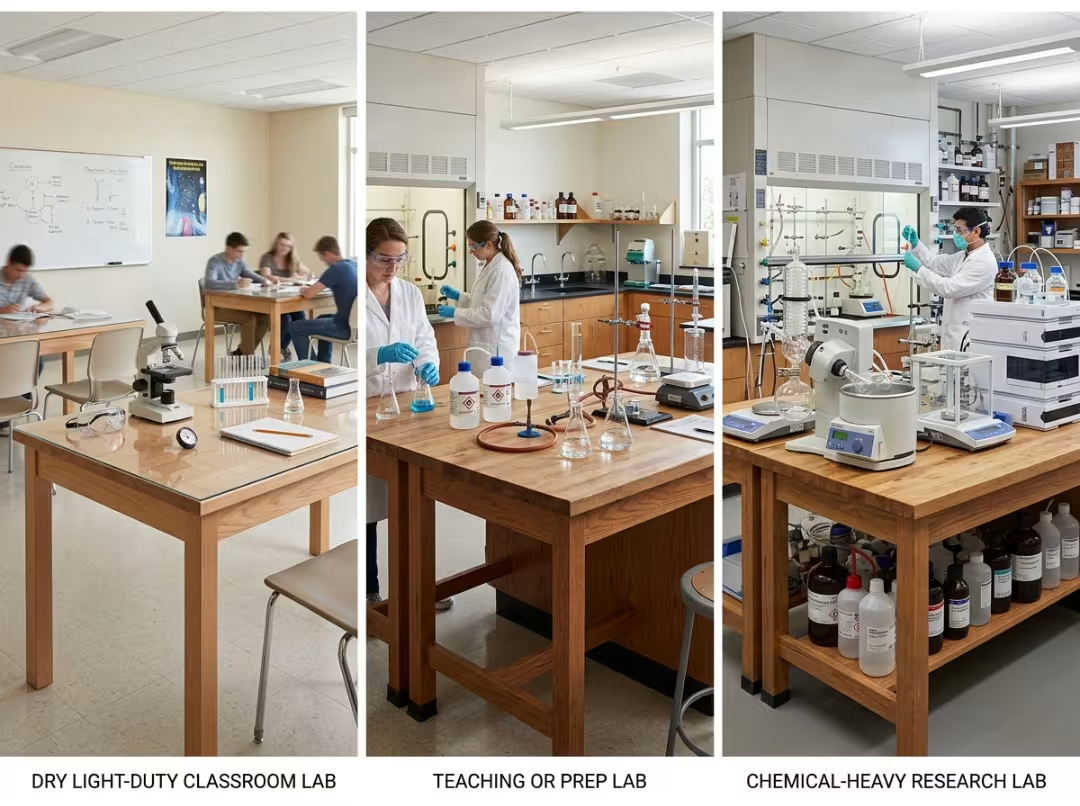
Every downstream decision—finish, frame, layout—depends on knowing which category your lab falls into. There are three general profiles:
- Dry/light-duty labs: classrooms, quality control stations, and inspection areas where chemical exposure is minimal and daily wear is light.
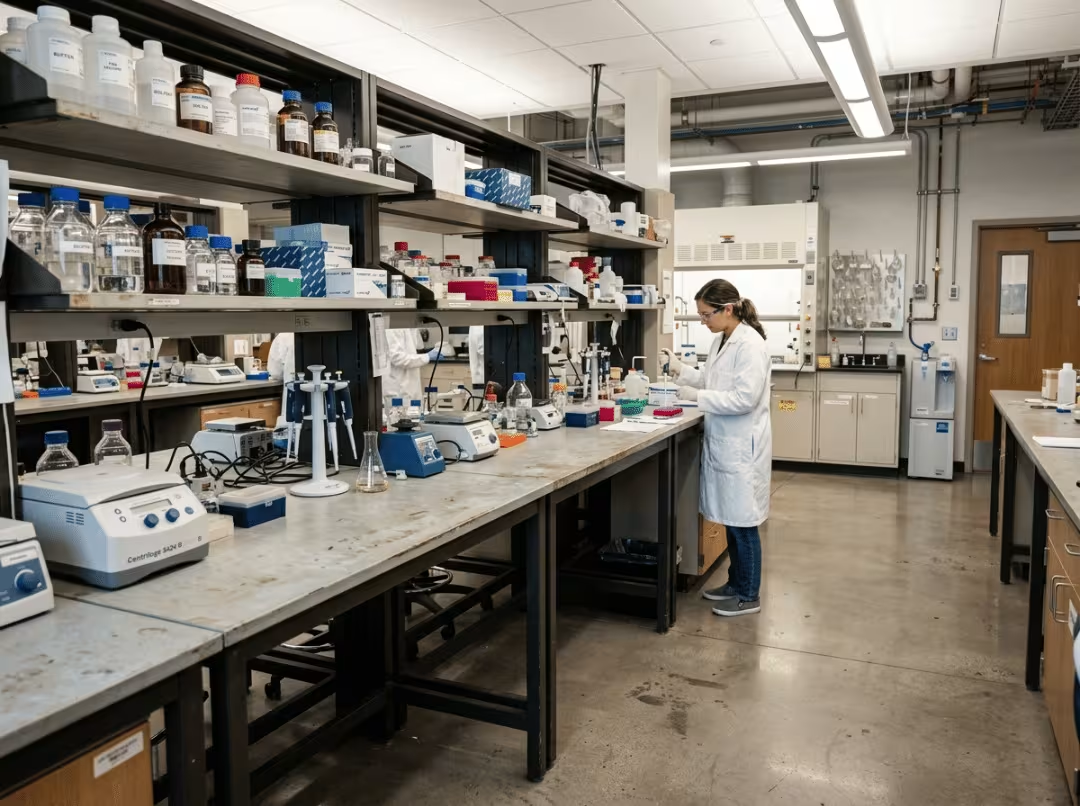
- Teaching/prep labs: environments with moderate chemical exposure and high turnover of users, such as university teaching labs or sample prep rooms.
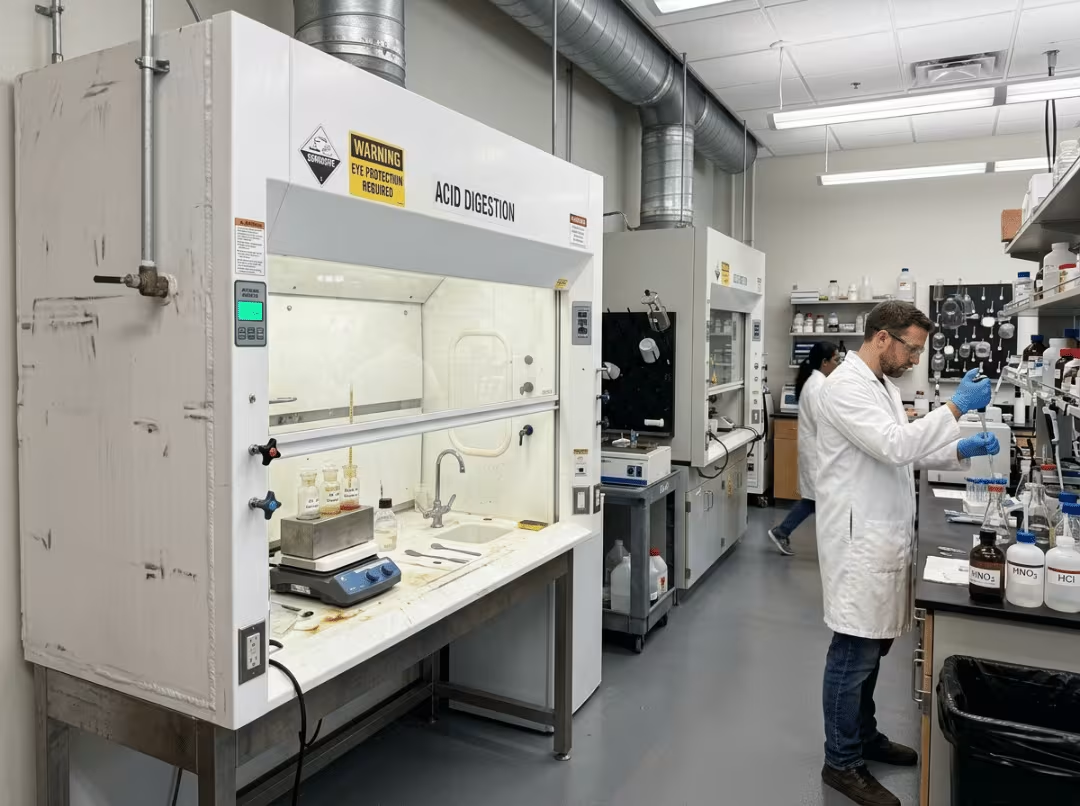
- Chemical-heavy labs: R&D facilities, pharmaceutical labs, and any workspace with regular solvent or acid use.
Before you look at a single product spec sheet, run through a quick self-check: What chemicals will touch this surface? How often? And how much daily wear—carts, equipment, foot traffic—will the table absorb? These three questions determine which finish and frame combination will actually hold up, and they’re the reason two labs with identical square footage often need completely different laboratory workbenches.
Surface Finish Matters More Than Wood Species
When choosing a laboratory workbench, the table’s surface finish is far more critical than the type of wood. While wood species impacts base durability and cost, the finish dictates chemical and heat resistance—often the first point of failure in demanding labs. For example, an oak top without sufficient protection will deteriorate faster than a plywood-core table with proper finishing.
Three finishes dominate the market:
- Epoxy resin: Offers superior chemical resistance, making it ideal for labs dealing with solvents, acids, or other aggressive reagents. This finish is a top choice for chemical-heavy R&D settings, ensuring longevity even under regular exposure. Check our epoxy resin laboratory countertop options to explore finishes tailored for such environments.
- Phenolic resin overlays: Renowned for their exceptional durability, phenolic finishes resist heat, moisture, and chemicals. They are the go-to solution for research labs requiring robust surfaces that endure daily use. Learn more about phenolic advantages in our laboratory phenolic resin countertops section.
- Polyurethane: A budget-friendly finish suitable for light-duty applications like classrooms or quality-control spaces. While cost-effective, it fails against aggressive chemical exposure, making it unsuitable for high-exposure labs.
While wood species such as maple, oak, bamboo, or plywood-core still matter, they act as secondary factors influencing baseline durability and cost. Among them, dense hardwoods like maple offer better dent resistance, while bamboo provides a sustainable yet less robust alternative. Treat these as supporting factors; the primary decision should always prioritize surface performance.
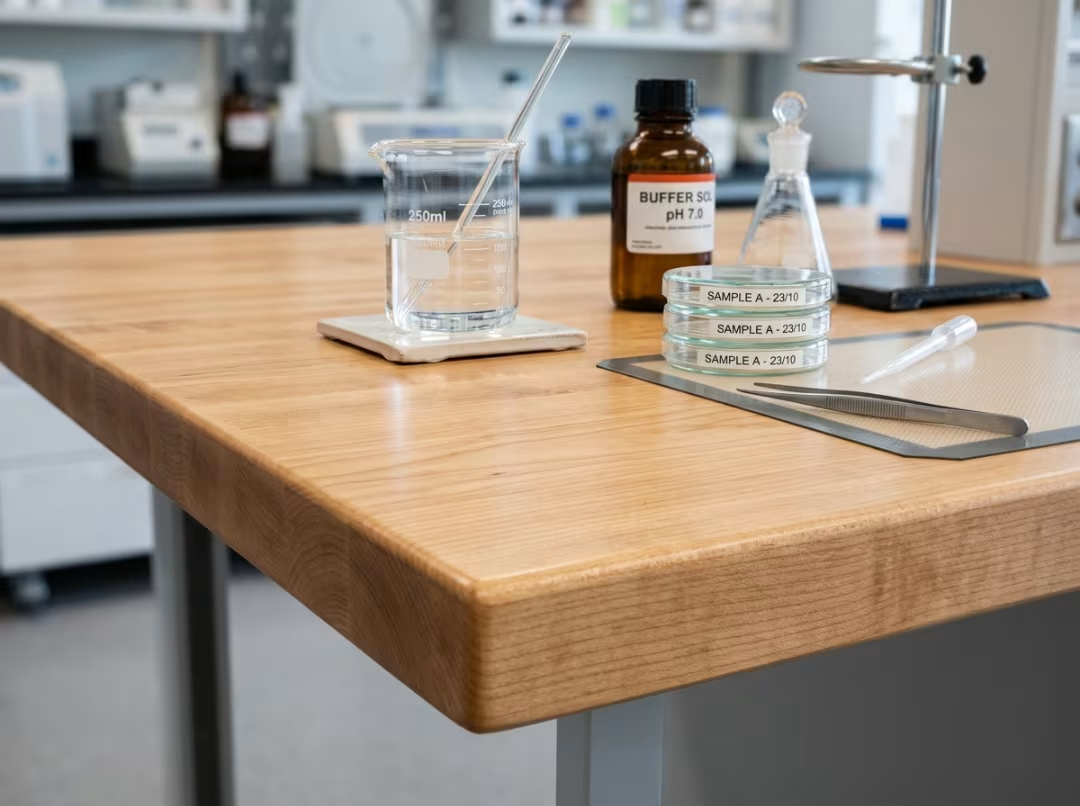
Recommendation: Match the surface finish to your lab’s specific chemical activities rather than relying on vague “lab-grade” labels. Utilize the comparison chart below to simplify your decision-making.
|
Finish Type |
Chemical Resistance |
Heat Tolerance |
Best-Fit Scenario |
|---|---|---|---|
|
Epoxy resin |
High (solvents, acids) |
Moderate |
Chemical-heavy labs |
|
Phenolic resin |
Highest |
High |
Research/teaching labs with mixed-use |
|
Polyurethane |
Low |
Low-moderate |
Dry/light-duty labs |
Wood species affects base durability and cost. Finish determines chemical and heat resistance—the actual point of failure in most labs. A solid oak tabletop with the wrong finish will degrade faster than a plywood-core table with the right one.
Three finishes dominate the market:
Epoxy resin offers strong chemical resistance and holds up well against solvent and acid exposure. It costs more than standard finishes, but it’s the standard choice for labs handling aggressive reagents.
Phenolic resin overlays deliver the highest overall durability among the three. They resist moisture and heat exceptionally well, which is why phenolic-finished lab tables are the standard in most research settings.
Polyurethane is the cost-effective option. It performs fine in dry or light-duty labs but weakens quickly against aggressive chemicals, making it a poor fit for anything beyond occasional spills.
Wood species—maple, oak, bamboo, or plywood core—still plays a role. Maple and oak offer better base durability at a higher material cost. Bamboo and plywood core options cost less but tolerate less physical stress over time. Treat species as a secondary factor that affects your budget and baseline durability, not the primary driver of your decision.
The decision rule is simple: match finish resistance to the specific chemicals your lab uses, not to a generic “lab-grade” label on a spec sheet.
|
Finish Type |
Chemical Resistance |
Heat Tolerance |
Best-Fit Scenario |
|---|---|---|---|
|
Epoxy resin |
High (solvents, acids) |
Moderate |
Chemical-heavy labs |
|
Phenolic resin |
Highest |
High |
Research/teaching labs with mixed use |
|
Polyurethane |
Low |
Low-moderate |
Dry/light-duty labs |
Structural Integrity and Load Capacity
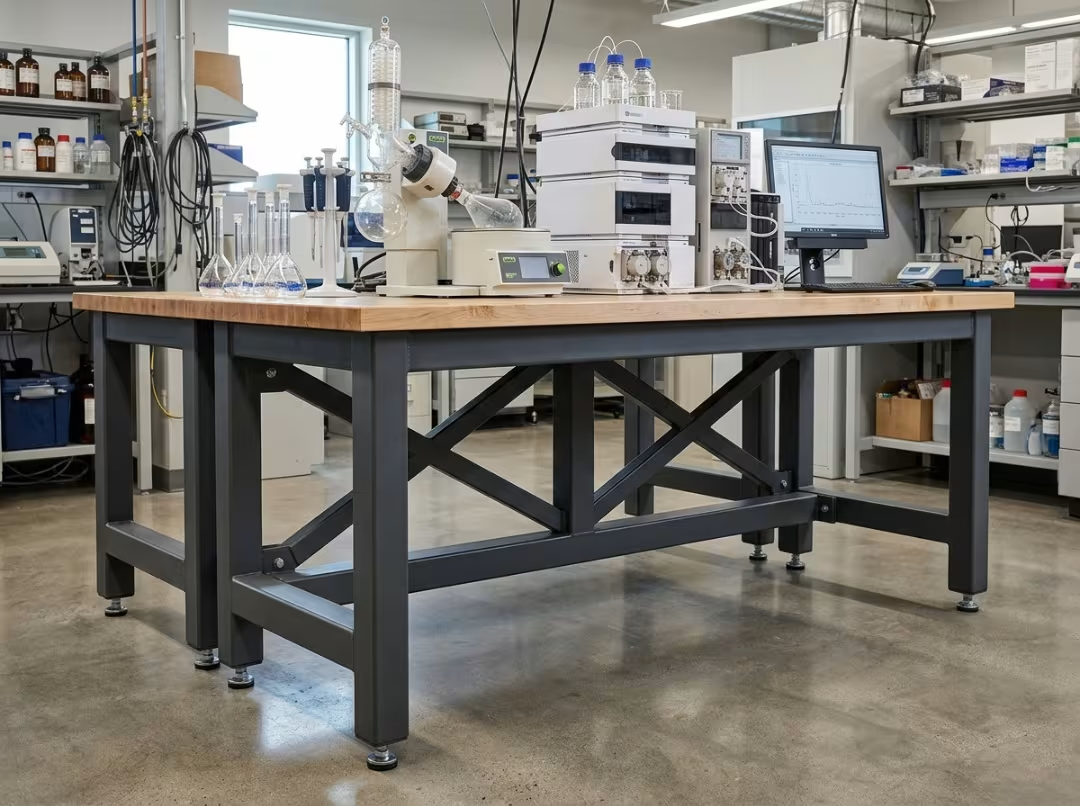
A lab table’s frame and tabletop thickness are critical factors in determining longevity and resilience under daily use. Steel-reinforced frames excel at handling the demands of heavy equipment and repeated impacts, offering superior stability compared to solid wood legs, which are prone to loosening or warping over time. Additionally, the thickness of the tabletop directly influences load tolerance—thicker tops are better suited to resisting sagging when subjected to the constant weight of instruments, storage, or other equipment.
For detailed insights into structural design and durability, explore our comprehensive lab benches and workstations section, which features models engineered for high-stress applications and variable lab needs.
Standard benches typically tolerate lighter, evenly distributed loads suited to glassware, small instruments, and prep work. Reinforced heavy-duty benches are built to support significantly more weight, including centrifuges, analytical balances, and other dense equipment. If your lab falls into the chemical-heavy or equipment-dense category, default to a steel frame and a thicker top regardless of which finish you choose. Skipping this step is one of the most common reasons labs end up replacing furniture years ahead of schedule.
Workflow-Based Configuration and Layout
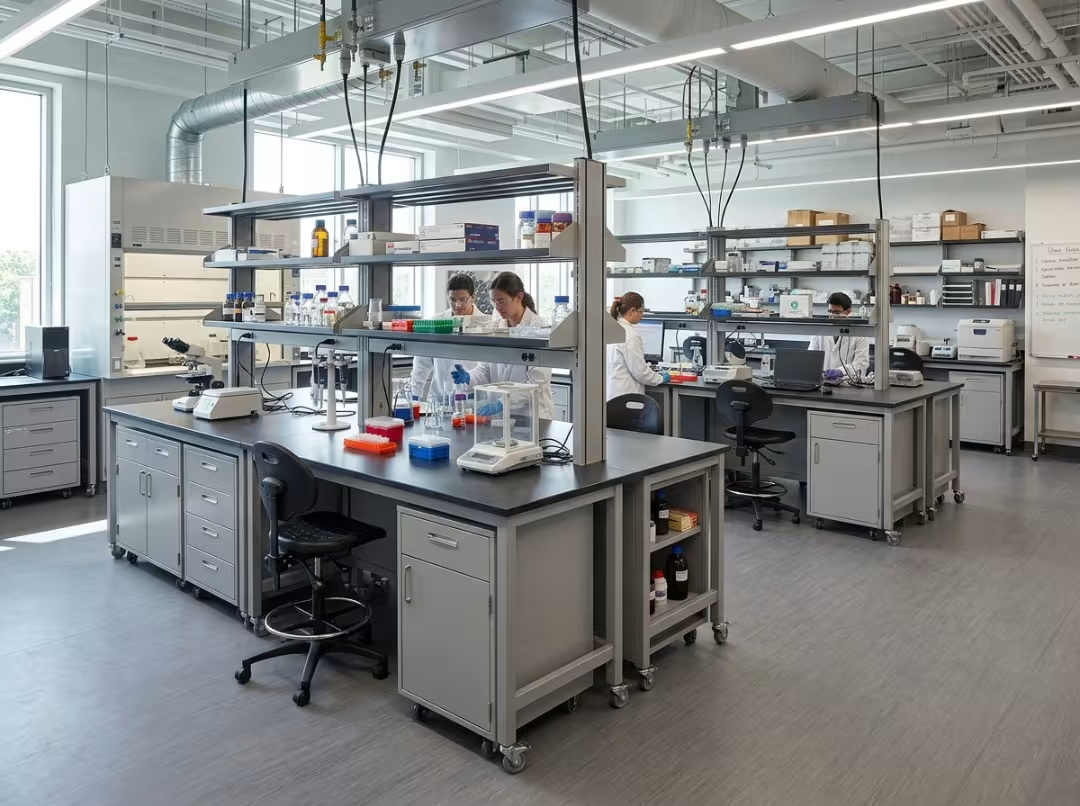
Standard dimensions work for most labs, but constrained floor plans or specialized workflows often call for custom sizing. Before finalizing dimensions, map out how staff move through the space and where bottlenecks tend to form.
Modular, reconfigurable systems suit labs with changing needs—shared research spaces, teaching labs that rearrange for different courses, or facilities anticipating growth. Fixed installations make more sense for labs with stable, long-term layouts where reconfiguration isn’t a priority.
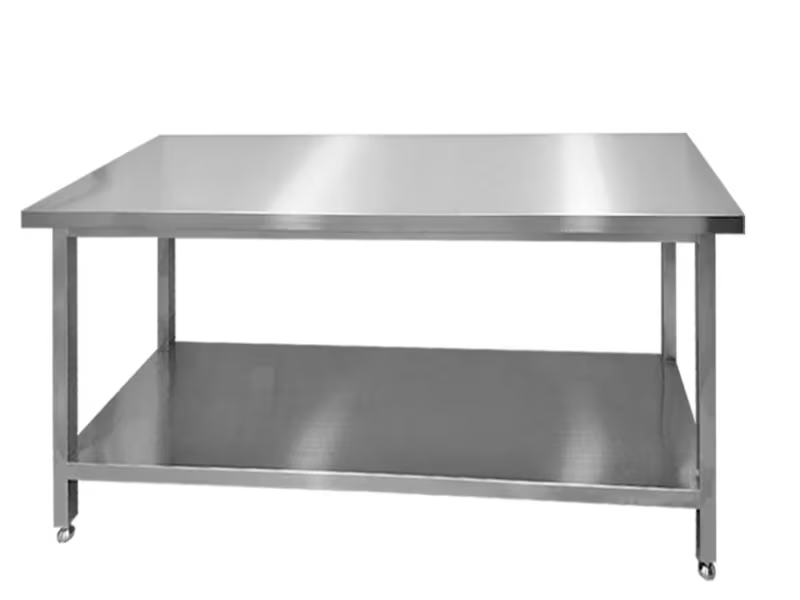
Mobility is worth a careful look. Casters improve workflow flexibility, letting teams reposition tables as projects shift. But casters can compromise stability under heavy loads, so avoid them for equipment-dense stations where a table needs to stay firmly in place. Every layout decision should trace back to the lab scenario you identified in the first step—a chemical-heavy lab with heavy equipment has very different mobility needs than a light-duty teaching space.
Long-Term Value vs. Sticker Price
Sticker price tells you almost nothing about the total cost of a wood lab table. A better metric is cost-per-year-of-service:
(Purchase price + estimated maintenance/repair costs) ÷ expected years of service
A solid wood table with a phenolic finish often costs more upfront than a plywood-and-polyurethane combination. Over a five- to ten-year span, though, the higher-spec table frequently comes out ahead once you account for refinishing, repairs, and early replacement costs on the cheaper option. Run the math before assuming the lower price tag is the better deal.
Common Buying Mistakes to Avoid
Avoiding these typical errors will save your lab significant costs and operational headaches down the line:
- Prioritizing wood species over surface finish. It’s easy to be drawn to a particular wood type, but without the proper finish, it won’t withstand your lab’s chemical demands. For robust surface options suited to various lab environments, check out our laboratory countertops and worktops.
- Overlooking load capacity. Choosing a table with an undersized frame or insufficient top thickness leads to sagging and premature replacement. Explore heavy-duty options designed for durability in our lab benches and workstations catalog.
- Focusing solely on sticker price. A cheaper table might seem tempting, but without calculating cost-per-year, you’ll risk higher long-term expenses. Proper planning and quality investment ensure longevity and cost-efficiency.
- Choosing mobility over stability. While mobile tables offer flexibility, they can fail under heavy equipment loads. For stationary solutions optimized for stability, see models like our H-frame wall laboratory bench.
- Skipping lab scenario classification. A “one-size-fits-all” approach often leads to mismatched purchases. Categorizing your lab needs upfront prevents costly mistakes and ensures an optimal fit for your workflow.
- Choosing wood species before finish. Buyers often fall in love with a wood type, then discover it can’t handle the lab’s actual chemical load.
- Underestimating load capacity. Ignoring frame material and top thickness leads to sagging tabletops and premature replacement.
- Buying on sticker price alone. Skipping the cost-per-year calculation almost always leads to a more expensive outcome over time.
- Choosing mobility over stability. Mobile tables look flexible, but they’re a poor match for heavy-equipment stations where stability matters more.
- Skipping scenario classification. Buying a “one-size-fits-all” bench without first identifying your lab type is the root cause of most of the mistakes above.
Technical FAQs
How long does a wood lab table typically last?
With the right finish and frame for your lab type, a well-maintained wood lab table can last 10 years or more. Mismatched finish or undersized frames often cut that lifespan significantly.
Is a wood lab table safe for chemical-heavy labs?
Yes, provided it has an epoxy or phenolic resin finish rated for the specific chemicals in use. A polyurethane finish is not suitable for chemical-heavy environments.
What’s the difference between epoxy and phenolic resin finishes?
Epoxy resin offers strong chemical resistance and works well for solvent- and acid-heavy labs. Phenolic resin overlays offer the highest overall durability, with better heat and moisture resistance, making them the standard choice for research labs.
Can a wood lab table be refinished instead of replaced?
In many cases, yes. Tables with solid wood tops and steel frames can often be refinished, extending their service life and improving the cost-per-year calculation.
Do I need a steel frame if I’m not using heavy equipment?
Not necessarily. Light-duty and teaching labs with minimal equipment can often use solid wood legs without issue. Chemical-heavy or equipment-dense labs should still default to steel frames for long-term stability.
Next Steps for Procurement
Choosing the right wood lab table comes down to a repeatable framework: classify your lab scenario, prioritize surface finish over wood species, verify structural capacity against your equipment load, and calculate long-term cost before comparing sticker prices. Skipping any one of these steps is how labs end up replacing furniture years ahead of schedule.
Before requesting quotes, build a scenario-based checklist for your specific lab—chemical exposure, equipment weight, and layout needs—and use it to filter vendor options instead of starting with a price list.