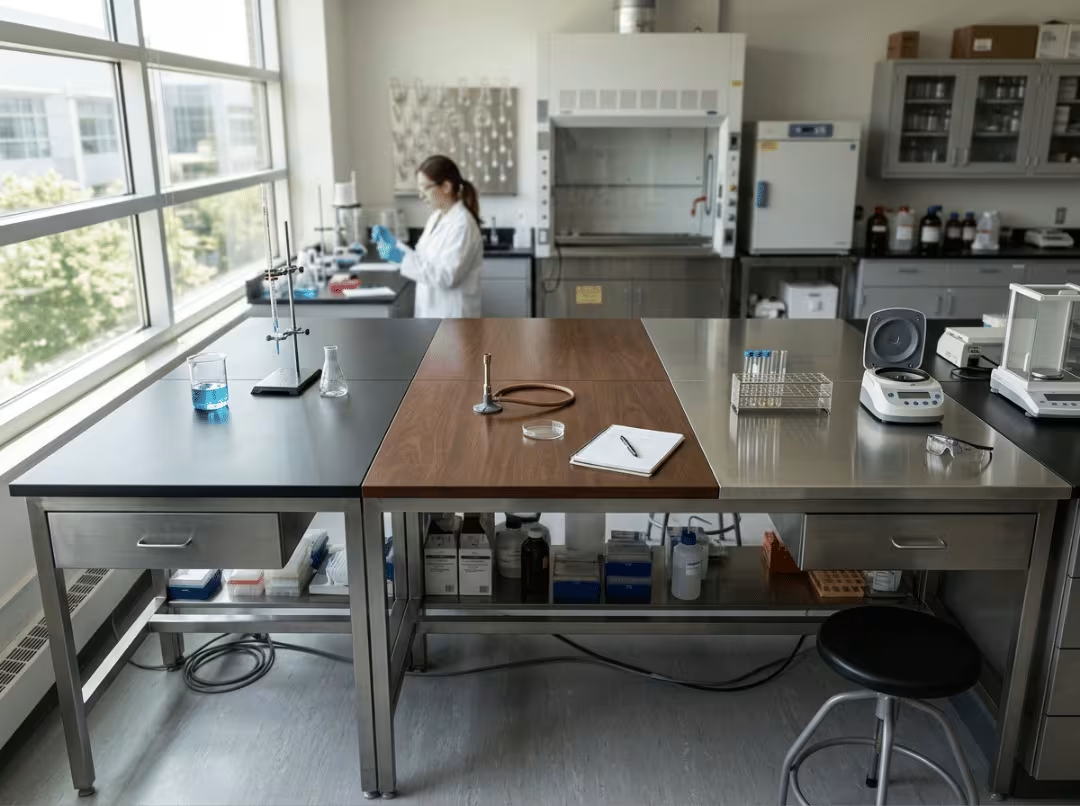
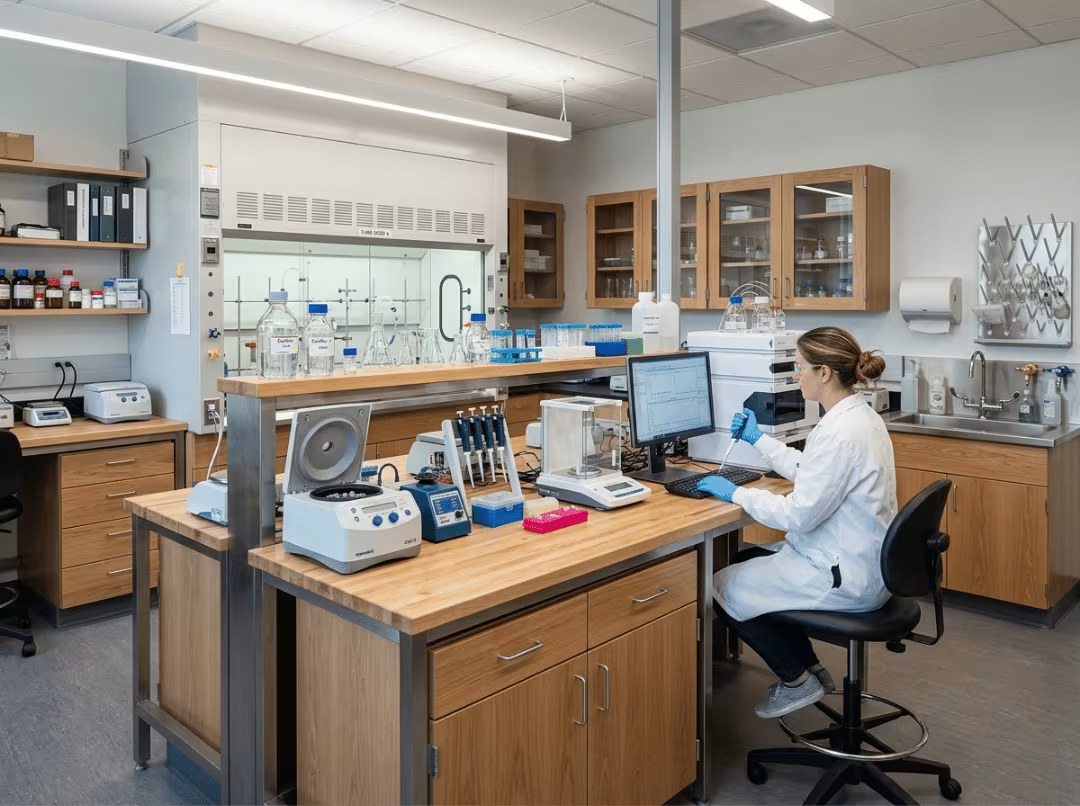
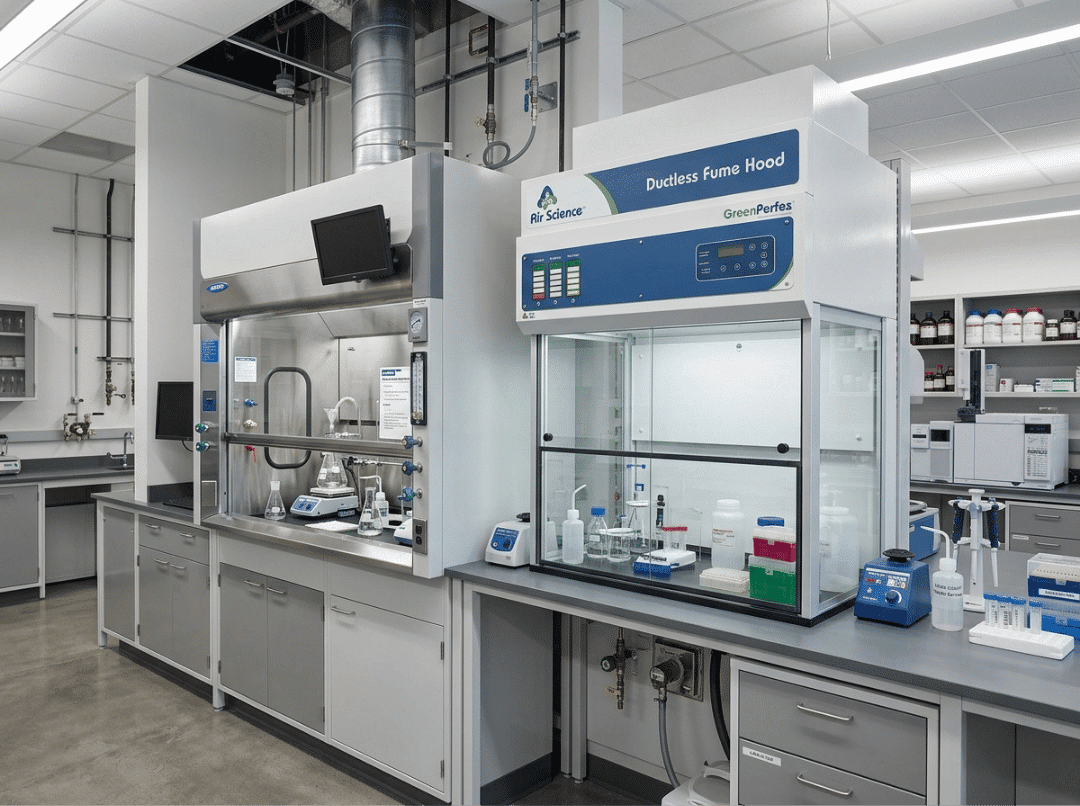
Stainless steel lab tables are marketed as the default gold standard for laboratory furniture. That framing isn’t wrong — but it is incomplete. The right table material depends entirely on what happens on that surface every day: which chemicals, how much heat, how aggressive the cleaning routine, and what equipment sits on it. This guide maps those real conditions to a material decision, using stainless steel as the baseline against epoxy resin, laminate, and polymer alternatives. The goal isn’t to explain what a stainless steel lab table is — it’s to tell you whether your lab actually needs one.
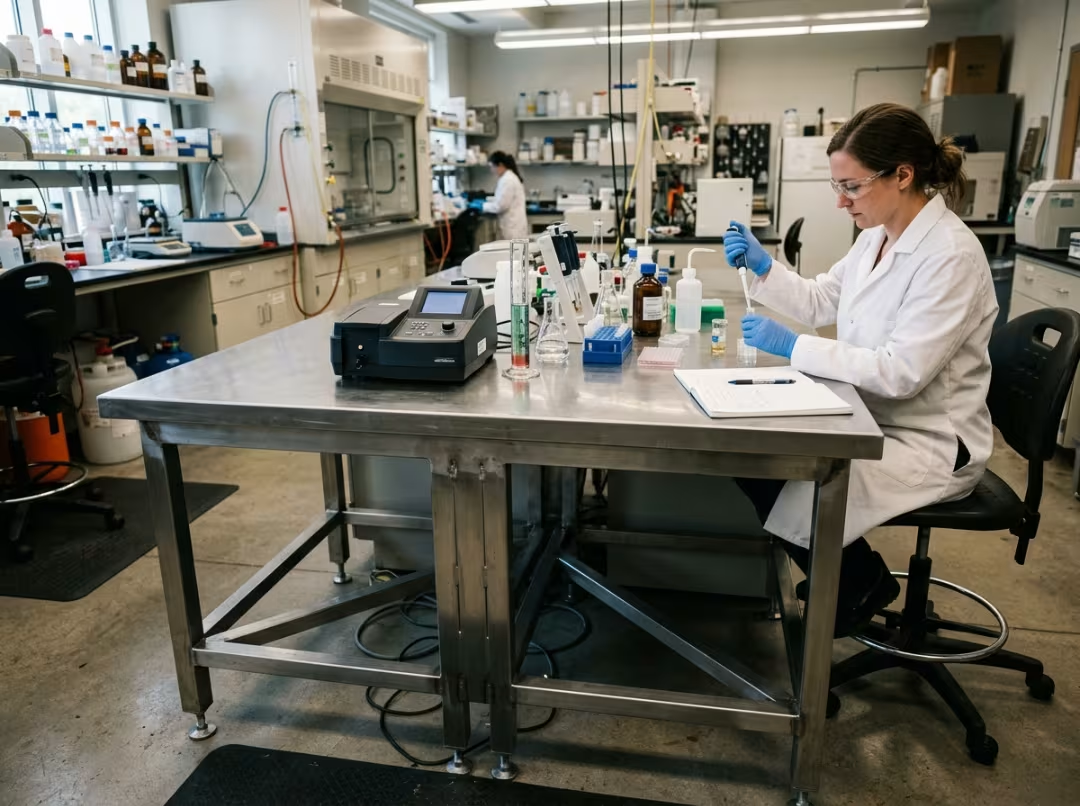
What Is a Stainless Steel Lab Table?
A stainless steel lab table is a work surface and frame built from stainless steel — most commonly Type 304 or Type 316 — chosen for corrosion resistance, structural strength, and cleanability. It earns its higher price in specific conditions: heavy chemical exposure, frequent sanitation cycles, or high-moisture environments like pharmaceutical manufacturing, food processing, or microbiology work.
It is not the right call for every lab. A dry teaching lab running light experiments twice a week has fundamentally different needs than a cleanroom running daily aseptic protocols. Treating stainless steel as a default rather than a fit-for-purpose choice is where most purchasing decisions go wrong.
Grade matters within stainless steel itself. Type 304 covers most general lab use. Type 316 adds molybdenum, which significantly improves resistance to chlorides and salts — the relevant difference for coastal labs, saline exposure, or labs using chloride-based disinfectants regularly. That distinction carries the most weight in the next section.
Step 1: Map the Physical and Chemical Demands of Your Work
The most useful question before comparing any material: what actually contacts this table surface on a normal working day?
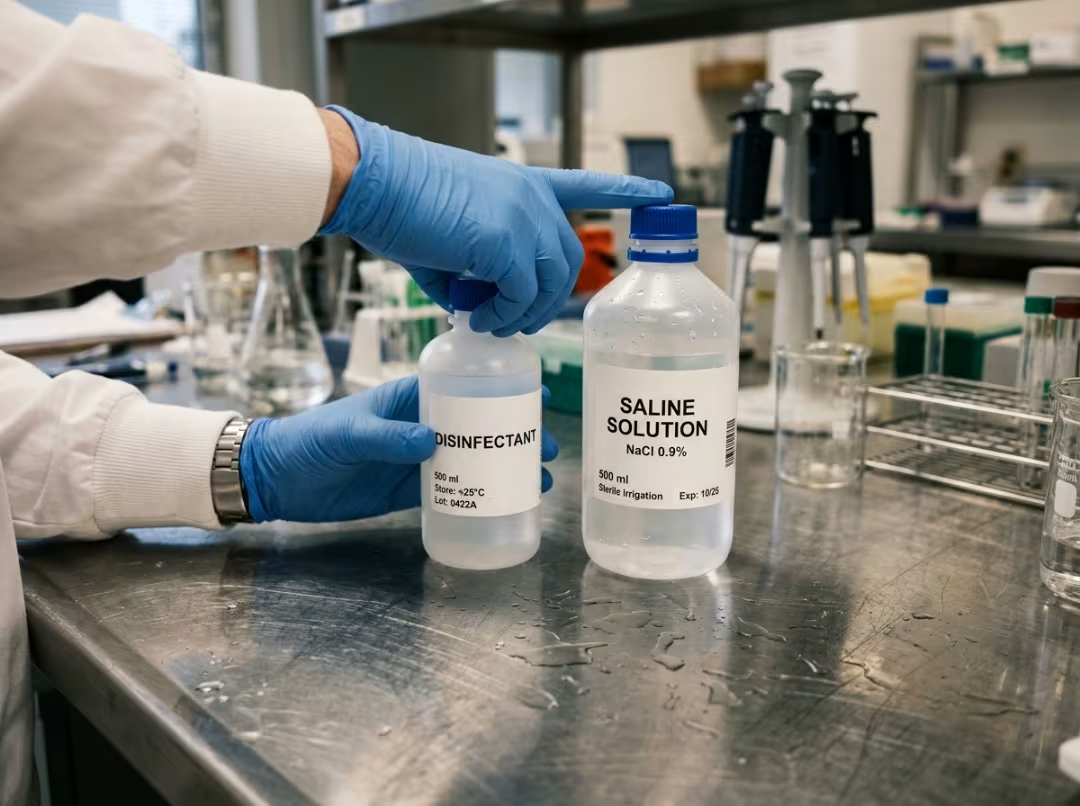
Chemical exposure is where the 304 vs. 316 decision becomes concrete. Type 304 handles most routine lab chemicals without issue — acids, alcohols, common solvents. The problem starts with chlorides. Bleach-based disinfectants, saline solutions, and certain buffer compositions accelerate corrosion in 304 through pitting — small, localized cavities that compromise the surface and eventually the structure beneath. Type 316’s molybdenum content directly interrupts that process, which is why it’s standard in microbiology, marine biology, and pharmaceutical settings. If your chemical inventory includes regular chloride exposure, 316 isn’t the premium option — it’s the correct specification. Review your safety data sheets before committing to a grade, not after.
Heat exposure is where stainless outperforms most alternatives without debate. Labs running autoclaves, Bunsen burners, hot plates, or other heat-generating equipment need a surface that won’t warp, discolor, or off-gas under sustained thermal load. Stainless steel handles this reliably. Laminate softens. Certain plastics deform and, in enclosed lab spaces, can release fumes — a more serious concern than most buyers account for when comparing costs.
Moisture and abrasion round out the picture. Labs with constant washdowns, heavy glassware handling, or metal instrument drag put real repetitive stress on a work surface. Stainless steel’s non-porous surface resists moisture absorption and holds up against daily wear. Porous alternatives — wood, laminate — absorb moisture over time, leading to swelling, surface degradation, and harboring conditions for contamination.
A practical example: a microbiology lab running daily bleach washdowns combines chloride exposure, constant moisture, and surface abrasion in a single routine. That’s not a borderline case for 316 stainless steel — it’s the obvious answer.
Step 2: Cleaning and Hygiene Requirements
Hygiene standards should drive material choice directly, but not every lab operates at the same sanitation tier. The mistake is specifying to the highest tier when actual requirements are two levels lower.
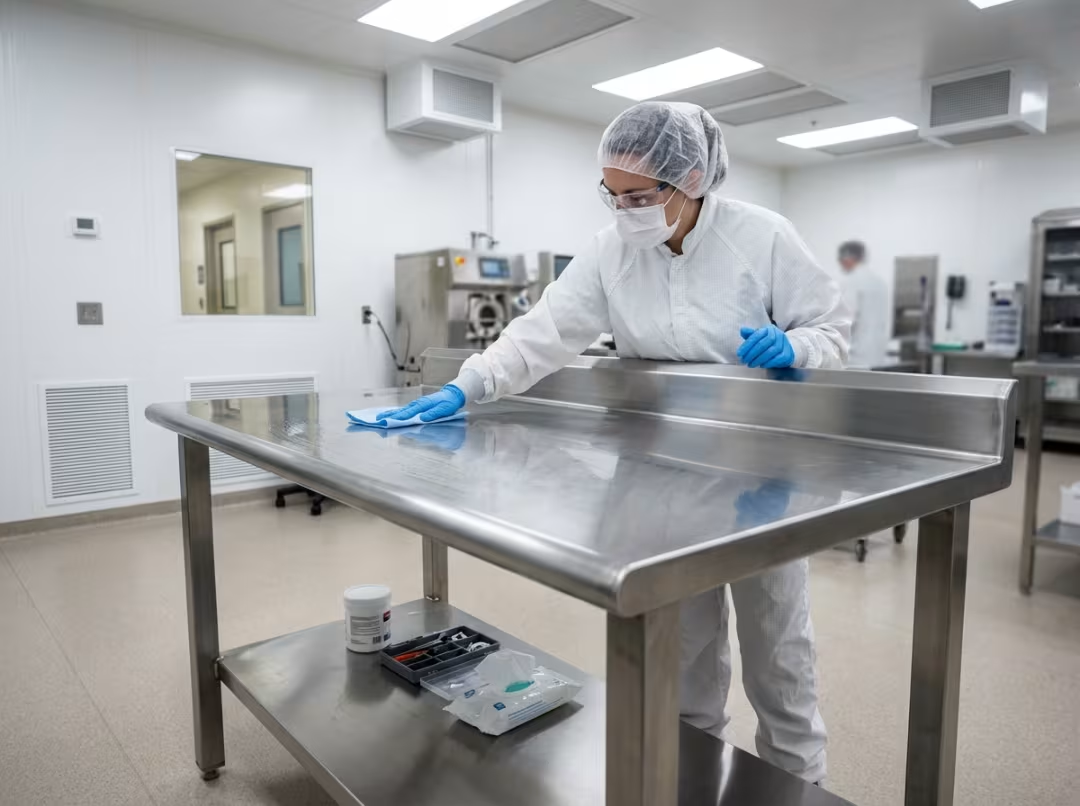
General labs run standard sanitation routines — regular wipe-downs, occasional disinfectant use. Cleanroom-classified environments operate under ISO ratings that set specific surface and particulate standards well above routine cleaning. BSL-rated biohazard and aseptic labs require seamless welds, coved edges, and surfaces with no microbial harboring points.
Stainless steel’s non-porous surface and weldable construction suit the top two tiers genuinely well. Seamless fabrication eliminates the seams and gaps where bacteria and particulates accumulate — the reason stainless dominates cleanroom and pharmaceutical environments. That construction quality adds cost, and a lab that doesn’t operate at that hygiene level is purchasing capability it will never use.
A teaching lab wiped down weekly doesn’t need seamless welds. A pharmaceutical cleanroom has no flexibility on the point. Identifying which tier your lab actually occupies — not which tier sounds most rigorous — is the cleaner path to the right specification.
Step 3: Load Requirements and Safety Specifications
A stainless steel tabletop does not automatically mean a heavy-duty table. This is a common assumption worth addressing directly.
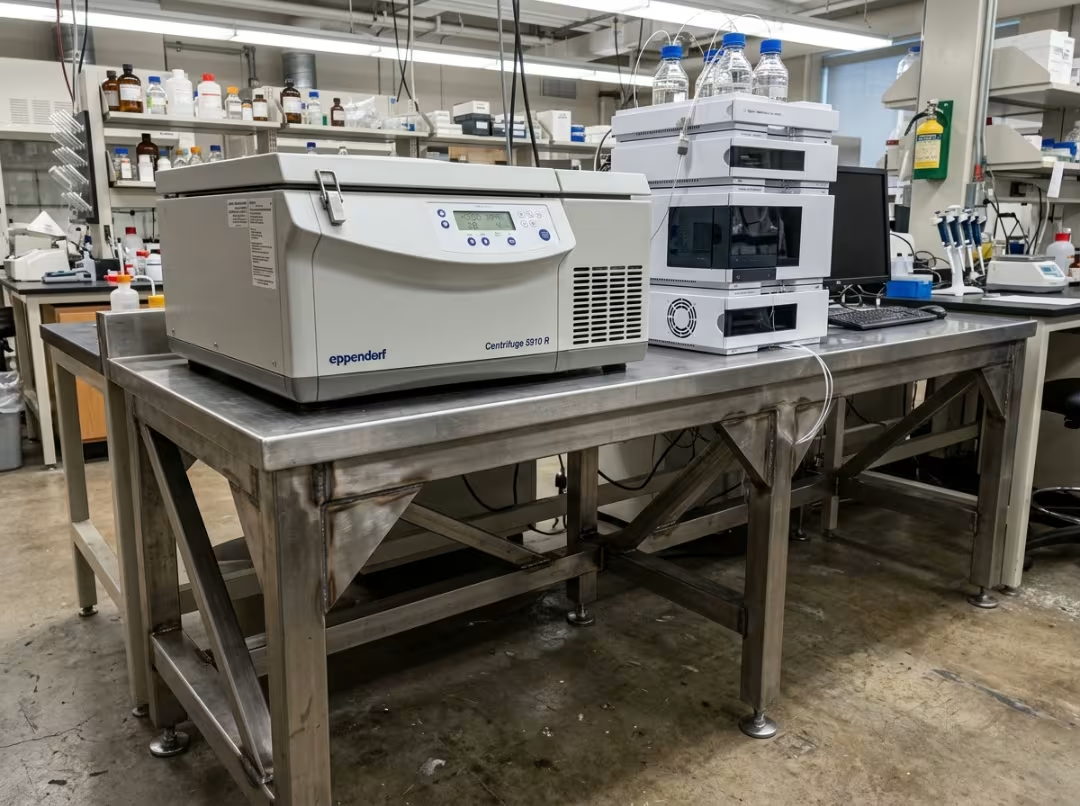
Weight capacity is a function of frame construction, steel gauge, support structure, and gusset reinforcement — not just the surface material. Labs running centrifuges, analytical instruments, or heavy equipment need a verified load rating from the manufacturer. A thin-gauge stainless top on a lightweight frame can buckle under loads it was never rated to carry. Ask for deflection data when equipment load is uneven or concentrated in a single area.
ESD grounding matters for electronics and static-sensitive work. Stainless steel conducts electricity, which makes it compatible with ESD workbench setups — but compatible is not the same as configured. An ESD-rated stainless table requires specific grounding connections, conductive casters, and verified setup. Don’t assume stainless steel handles electrostatic risk by default.
Certifications matter in regulated environments. ANSI/BIFMA standards cover furniture safety and durability. ASTM material certifications verify actual grade and composition — important for confirming that a table listed as 316 is in fact 316. In pharmaceutical and medical device manufacturing, grade requirements are often part of regulatory compliance, not preference. Request documentation before purchase.
Stainless Steel vs. Other Table Materials
|
Material |
Chemical Resistance |
Load Capacity |
Hygiene Profile |
Relative Cost |
|---|---|---|---|---|
|
Stainless steel (304/316) |
Excellent |
High |
Excellent — non-porous, weldable seams |
Highest |
|
Epoxy resin |
Strong |
Moderate |
Good, not ideal for wet or sterile use |
Lower |
|
Wood/laminate |
Poor |
Moderate (light use only) |
Poor — porous, moisture-sensitive |
Lowest |
|
Plastic/polymer |
Good for specific chemicals |
Lower |
Good, limited by heat tolerance |
Low to moderate |
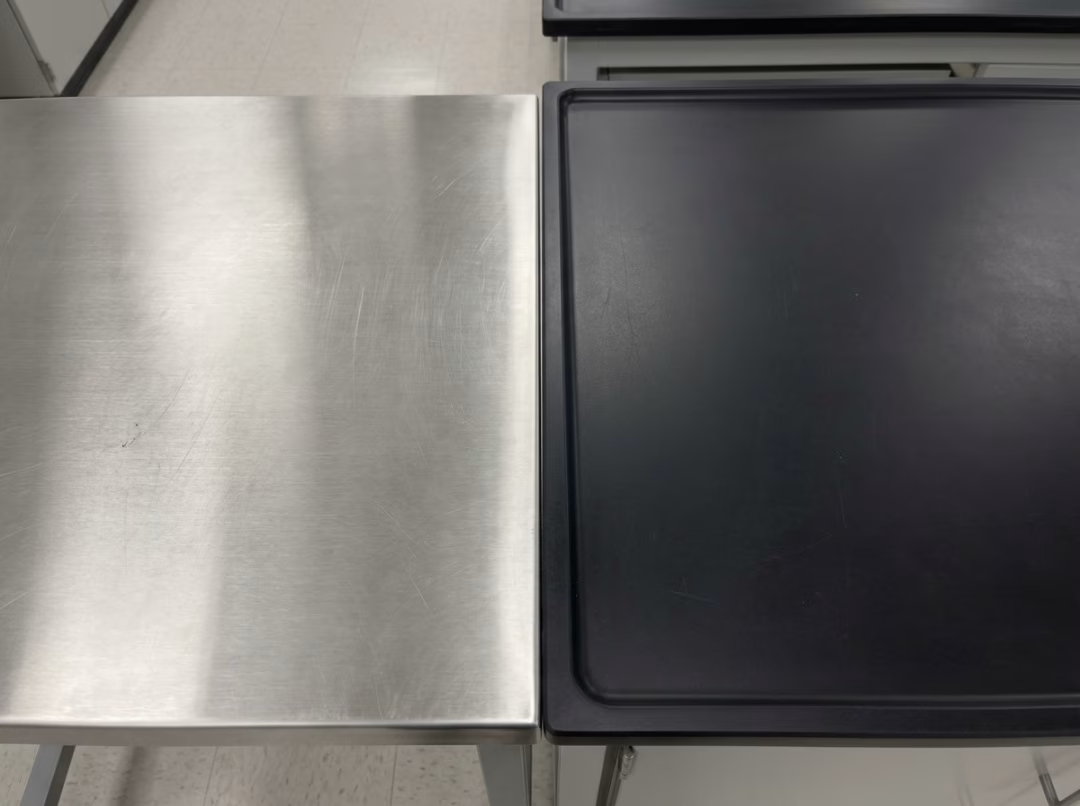
Epoxy resin is the most common alternative to stainless, and it’s worth understanding where it genuinely competes. Epoxy offers strong resistance to a wide range of acids and solvents — in some extreme chemical environments, it outperforms stainless steel on chemical tolerance alone. It’s also cheaper upfront. The tradeoffs are real: epoxy is heavier, brittle under impact (edge chipping is a known failure mode), and performs poorly in wet or sterile environments where hygiene profile and structural integrity matter more than chemical tolerance alone. For a pure chemistry lab working with aggressive solvents and moderate sanitation demands, an epoxy resin countertop may be the correct choice. For a lab mixing chemical work with wet protocols, heat, and strict cleaning, stainless is stronger across all three axes.
Wood and laminate surfaces are appropriate for dry, light-use, and low-chemical settings — offices, writing stations, light prep areas. In any environment with chemical spills, regular washdowns, or moisture exposure, they fail quickly. Laminate edges chip and delaminate; wood absorbs moisture and provides harboring surfaces for contamination. These are not borderline weaknesses — they disqualify wood and laminate from wet or chemical lab environments without exception.
Plastic and polymer surfaces offer genuine corrosion resistance against specific chemicals and are lightweight, useful for mobile or weight-sensitive setups. Their ceiling is lower: reduced heat tolerance, lower structural rigidity, and lower load capacity than stainless steel. They fit narrow, well-defined applications — not broad-use lab environments.
The selection logic is direct: heavy chemical exposure, strict sanitation, and high-moisture conditions point to stainless steel. Chemical resistance with moderate sanitation and tighter budgets points to epoxy. Light-use, dry, general-purpose settings point to laminate. Where conditions mix across categories, weight toward the most demanding one.
Cost and Lifespan
Stainless steel costs more at purchase — typically 30–50% more than epoxy or laminate equivalents at comparable sizes. That comparison shifts when the calculation moves to cost per year of use.
A laminate surface in a wet or chemical-heavy environment may need replacement within three to five years. A well-built stainless steel lab bench in the same environment typically runs for 20 years or more without structural failure. Stainless also resists the edge chipping that forces full epoxy top replacement — scratches and minor dents on stainless are cosmetic, not structural. Resurfacing is an option; replacement often isn’t necessary.
For labs planning reconfiguration or equipment turnover, stainless retains residual value and can be reassigned rather than written off. Laminate and basic polymer furniture depreciates quickly once visible wear sets in.
The practical calculation: if a stainless steel table costs twice as much as laminate but lasts four times as long under real working conditions — with fewer repair events — it’s the cheaper option over its working life, even if that’s not visible on the purchase order.
Installation and Logistics
Floor load is the most commonly overlooked constraint. Stainless steel tables are heavy. For labs on upper floors or in older buildings, confirm floor load capacity before the table arrives.
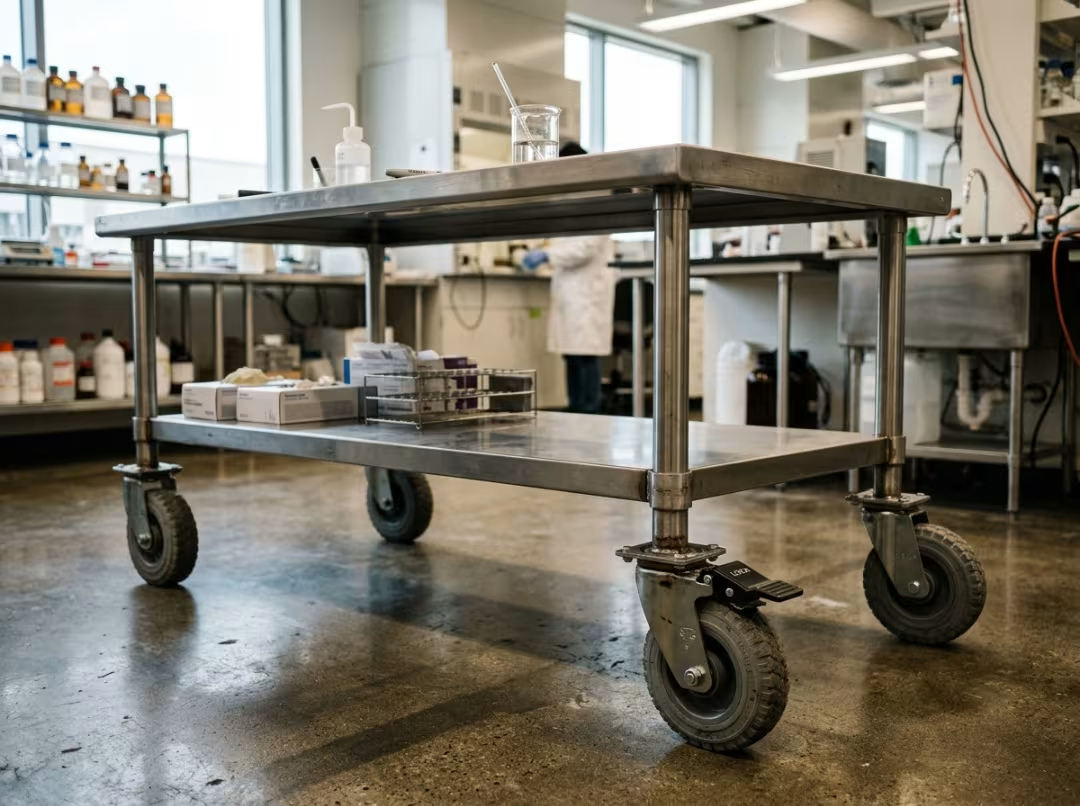
Mobility should be a deliberate specification. Fixed installations suit stable layouts with defined workflows. Caster-mounted lab benches and workstations suit labs that reconfigure between projects or teaching cohorts. Specify locking brakes for any mobile stainless table used under heavy equipment — unbraked casters are a real risk during heavy work.
Lead times split clearly between standard and custom builds. Off-the-shelf stainless tables ship quickly. Custom fabrication — integrated sinks, non-standard dimensions, pass-throughs, specific certifications — adds meaningful lead time. Labs planning a facility build-out or renovation should confirm lead times before locking other project milestones.
Frequently Asked Questions
Is Type 304 or 316 stainless steel better for a lab table?
Type 304 handles general lab use well and costs less. Type 316 is the correct choice when the lab works with chloride-based disinfectants, saline solutions, or operates in coastal or high-humidity environments with ongoing chloride exposure.
Are stainless steel lab tables worth the extra cost?
For labs with heavy chemical exposure, frequent sanitation, or high-moisture conditions, yes — total cost of ownership over the table’s lifespan typically justifies the upfront price. For dry, low-chemical, light-use labs, epoxy resin or laminate is often the more rational choice.
Can stainless steel lab tables be used in cleanrooms?
Yes. A non-porous surface and seamless weld construction make stainless steel well-suited to ISO-classified cleanroom environments. Specify the appropriate finish grade and confirm construction details — not all stainless tables are fabricated to the same standard.
What’s the weight capacity of a typical stainless steel lab table?
Capacity depends on frame construction and steel gauge, not the tabletop material alone. Request verified load ratings from the manufacturer, and ask for deflection data if equipment loads are heavy or unbalanced.
How long does a stainless steel lab bench last?
A well-built stainless steel lab bench typically lasts 20 years or more in active lab use, depending on chemical exposure, maintenance practices, and usage intensity.
What’s the difference between a stainless steel lab table and a stainless steel lab bench?
The terms are largely interchangeable. “Bench” sometimes implies a fixed or built-in installation; “table” can suggest a more freestanding or mobile unit. In practice, both refer to the same category of stainless steel lab work surfaces.
Making the Call
Stainless steel is the right material when daily lab conditions involve heavy chemical exposure, frequent sanitation, or persistent moisture. It is not the right material by default, and specifying it for a dry, light-use lab means paying for performance that will never be tested.
Before purchasing, do three things:
- List the three primary conditions your table will face — chemical contact, heat exposure, and washdown frequency.
- Check that list against what stainless steel actually solves versus what epoxy or laminate would handle adequately.
- Request material grade documentation (304 vs. 316) and verified load ratings from your vendor before committing — not after delivery.
The choice becomes straightforward once it’s grounded in actual lab conditions rather than material reputation. If you’re sourcing stainless steel laboratory furniture for pharmaceutical or high-hygiene environments, confirm grade, finish, and construction details upfront — that’s where the meaningful differences live.