Key Features
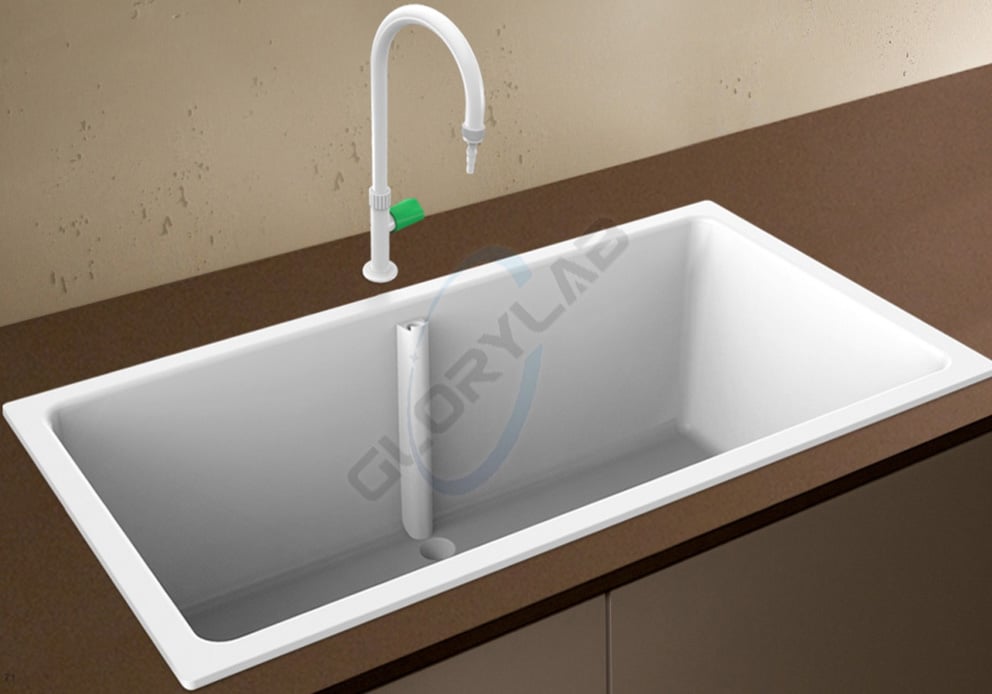
- Durable ceramic body — Stable and hard-wearing, the ceramic resists deformation and aging over a long service life. The glazed surface withstands routine daily lab use and handles surface wear well.
- Easy to clean — The smooth, non-porous surface keeps stains from taking hold, so cleaning stays quick and simple. The basin looks lab-ready even after long-term use.
- Broad chemical resistance — Resists a wide range of common laboratory reagents, including many strong acids. Hydrofluoric acid is not suitable. Confirm compatibility for your specific chemicals, concentrations, and contact times.
- High-heat tolerance — Ceramic handles high-temperature lab work far better than polymer sinks, making it a strong fit where hot processes are routine. Confirm your peak operating temperatures with our team.
- Non-toxic and safe — The ceramic material is inert and non-toxic, so it won’t affect water quality or staff health.
- Lower heat transfer than metal — Ceramic conducts heat less readily than stainless steel, so it has less impact on surrounding contact surfaces — useful for temperature-sensitive setups.
Technical Specifications
| Specification | Detail |
|---|---|
| Model | JH-CS001 |
| Product | Laboratory Ceramic Sink (Under-Worktop) |
| Material | High-grade glazed ceramic |
| Finish | Smooth, non-porous, stain-resistant |
| Chemical Resistance | Resists a wide range of lab reagents, including many strong acids; not suitable for hydrofluoric acid |
| Heat tolerance | Suited to high-temperature lab tasks; confirm peak operating temperatures for your application |
| Installation | Under-worktop (undermount); requires sturdy support |
| Properties | Non-toxic, non-heat-conducting, scratch- and impact-resistant |
Exterior dimensions, bowl size, drain outlet, and cutout details vary by model variant. Share your bench layout, and we’ll confirm exact dimensions and cutout guidance before you order.

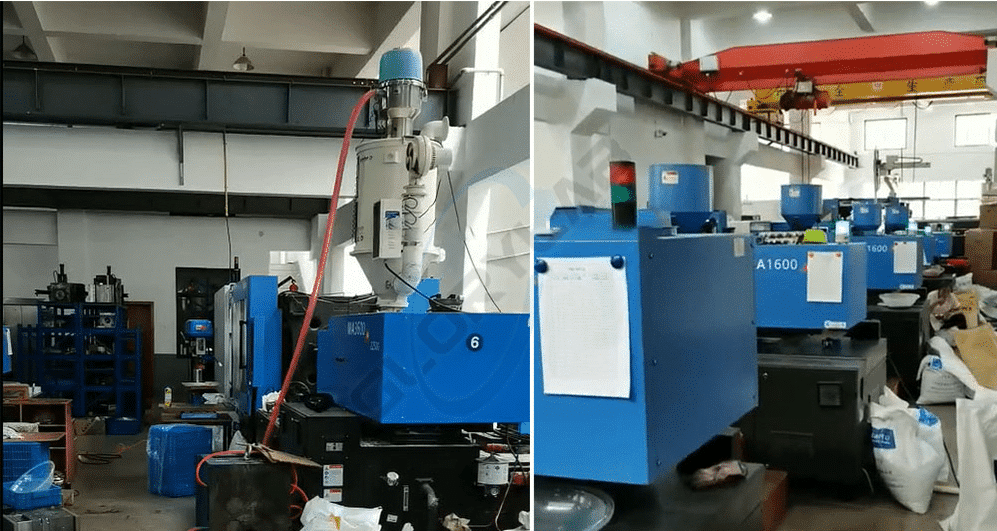
Production Facilities:
PP Sink vs. Ceramic Lab Sink
Both PP and ceramic sinks work well in the lab, but each suits different conditions. Use the table and the guidance below to match the material to your workflow.
| Feature | PP Sink | Ceramic Sink |
|---|---|---|
| Chemical Resistance | Good resistance to many acids, bases, and solvents | Good resistance to many reagents, including strong acids; not suitable for HF |
| Impact tolerance | Absorbs impact well; resists denting and cracking | Hard surface; can chip or crack under heavy impact |
| Weight | Lightweight and easy to handle | Heavier; needs sturdy support and installation |
| Heat tolerance | Suited to lower-temperature tasks | Handles higher-temperature work |
| Maintenance | Easy to clean, low maintenance | Easy to clean; protect the surface from heavy knocks |
| Cost | More cost-effective | Higher cost |
Which should you choose?
- Choose a PP sink for everyday chemical exposure, lighter installations, and budget-sensitive projects — or where impact resistance and low weight matter most.
- Choose the JH-CS001 ceramic sink for high-heat work and strong-chemical environments (excluding HF), where a hard, glazed, easy-clean surface and a refined finish are priorities, and the bench can support the added weight.
The main trade-off is heat tolerance and surface hardness (ceramic) versus lighter weight and better impact tolerance (PP). Tell us your reagents, peak temperatures, and bench design, and we’ll recommend the right material.
Applications
The JH-CS001 is best suited to labs where heat tolerance, a hard glazed surface, and easy cleaning are priorities:
- General chemistry labs — Handles a wide range of acids and reagents (excluding HF) for routine chemical work.
- High-temperature wash-up points — practical basins where hot processes or elevated temperatures are part of the workflow.
- Teaching and research labs — A durable, easy-clean basin with a refined finish for educational and institutional benches.
- Projects preferring ceramic over PP — Where finish quality, surface rigidity, or heat tolerance make ceramic the better fit.
Because ceramic is heavier and less impact-tolerant than PP, it is less suited to high-traffic areas prone to knocks from heavy glassware or equipment.
Installation Notes
The JH-CS001 is designed for under-worktop (undermount) installation, mounting beneath the bench surface for a clean, flush finish. Ceramic is heavier than PP, so the setup depends on proper support.
For a reliable result:
- Confirm load support — ensure the worktop and cabinet structure can support the sink’s weight under full load. Ceramic basins typically need a support frame or bracket beneath the worktop.
- Match the cutout — Cut the worktop opening to the confirmed basin dimensions for a clean, flush undermount fit. Share your worktop material and thickness so we can advise on cutout size and edge sealing.
- Seal the joint — Properly seal the joint between the sink and worktop to prevent water ingress and protect the worktop core.
- Level and support before use — Confirm the basin sits level and is fully supported along its rim before commissioning.
Share your bench design, worktop material, and drainage layout, and we’ll help confirm the right support and cutout setup for your lab.
FAQ
Is the JH-CS001 suitable for hydrofluoric acid?
No. While the ceramic resists a wide range of lab reagents, including many strong acids, it is not suitable for hydrofluoric acid (HF). For HF work, a PP sink is the better choice. Send us your reagent list, and we’ll advise on the right material.
How much heat can the ceramic sink handle?
Ceramic tolerates high-temperature lab work far better than polymer sinks, which makes it a strong fit for hot processes and thermal tasks. Because real-world limits depend on your specific conditions, share your peak operating temperatures, and we’ll confirm suitability.
Should I choose PP or ceramic?
Choose PP for everyday chemical exposure, lighter installation, impact resistance, and lower cost. Choose the ceramic JH-CS001 for high-heat work, strong-chemical environments (excluding HF), and where a hard, glazed finish and refined appearance matter. The main trade-off is ceramic’s heat tolerance and surface hardness versus PP’s lighter weight and better impact tolerance.
Is the ceramic sink impact-resistant?
The glazed surface is hard and withstands routine wear and daily use. However, like most ceramics, it can chip or crack under heavy mechanical impact, so protect it from sharp knocks with heavy glassware or equipment. If your bench sees frequent hard impact, a PP sink is more forgiving.
Does undermount installation need extra support?
Yes. Ceramic is heavier than PP, so the worktop and cabinet structure must carry the sink’s weight when full — usually with a support frame or bracket beneath the worktop. We’ll advise on the right support setup based on your worktop material and thickness.
What cutout and worktop details do you need from me?
Share your worktop material, thickness, and bench layout, and we’ll confirm the cutout size, edge sealing, and support requirements for a clean undermount fit. A drawing of your bench helps us match everything precisely.
Does ceramic affect lab temperature?
Ceramic conducts heat less readily than stainless steel, so it transfers less heat to surrounding contact surfaces. This makes it a practical option for temperature-sensitive setups, though it is not a thermal insulator.
How do I request a quote?
Send us your required quantities, worktop material and thickness, bench layout, drainage details, and main reagents or peak temperatures. Our team will confirm the right specification and prepare a tailored quotation.
Request a Quote
Planning a lab fit-out or upgrading to a ceramic basin? Send us your required quantities, worktop material and thickness, undermount support needs, drainage layout, and your main reagents or peak operating temperatures, and our team will prepare a tailored quotation for your JH-CS001 ceramic sinks. For larger projects, share your full bench or wash-up layout so we can confirm the support setup, cutout details, scope, and lead time.