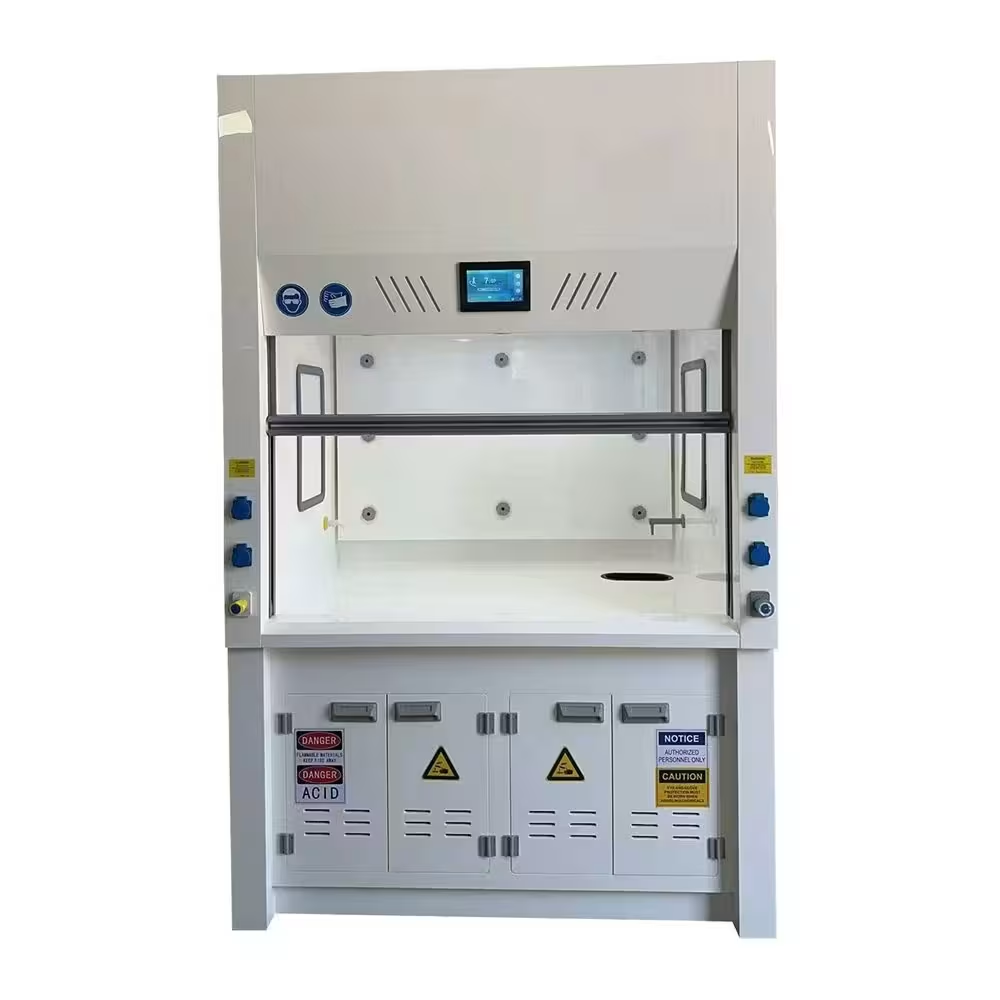


Key Benefits
- Purpose-built for perchloric acid digestion, where standard fume hoods are unsuitable due to residue accumulation and corrosion risk
- Integrated washdown system rinses the interior cavity to help control crystalline buildup, rather than relying solely on manual cleaning
- PP and PTFE construction designed to withstand strong acid exposure and sustained high temperatures (200–300°C)
- Space-efficient design — washdown and purification components are housed within the lower cabinet, which can reduce the need for a separate external scrubber
- Real-time monitoring of pH, liquid level, and leakage status, with a whistle alarm to flag conditions outside normal operating parameters
- Configurable safety systems, including optional auto-dosing for neutralization and optional VAV damper control for face velocity management
- Rounded interior corners and the absence of organic sealing materials, reducing points where residue can collect
Why a Standard Fume Hood Is Not Enough
Standard fume hoods are typically built around materials and airflow assumptions that don’t account for the specific behavior of perchloric acid vapor. Left uncontrolled, condensed perchloric acid can form crystals on ductwork and internal surfaces over repeated use — a buildup that standard cleaning schedules and standard hood materials aren’t designed to prevent.
The JH-FC027 addresses this at the design level. Its PTFE inner lining resists the chemical and thermal exposure associated with perchloric acid digestion, and its washdown system is built into the operating cycle rather than treated as a separate maintenance task. This is a dedicated-use hood, not a general-purpose chemical fume hood adapted for a specialized application.
Application
The JH-FC027 is intended for procedures involving perchloric acid and mixed-acid digestion, including:
- Sample preparation for elemental analysis in mining and geochemistry labs
- Acid digestion procedures in analytical laboratories
- Materials testing labs conducting strong-acid sample breakdown
This hood requires an independent, dedicated exhaust system. It must not be cross-connected with other ventilation systems in the facility, as doing so can introduce cross-contamination or vapor-handling risks that the hood’s design is not intended to manage.
Why the Washdown System Matters
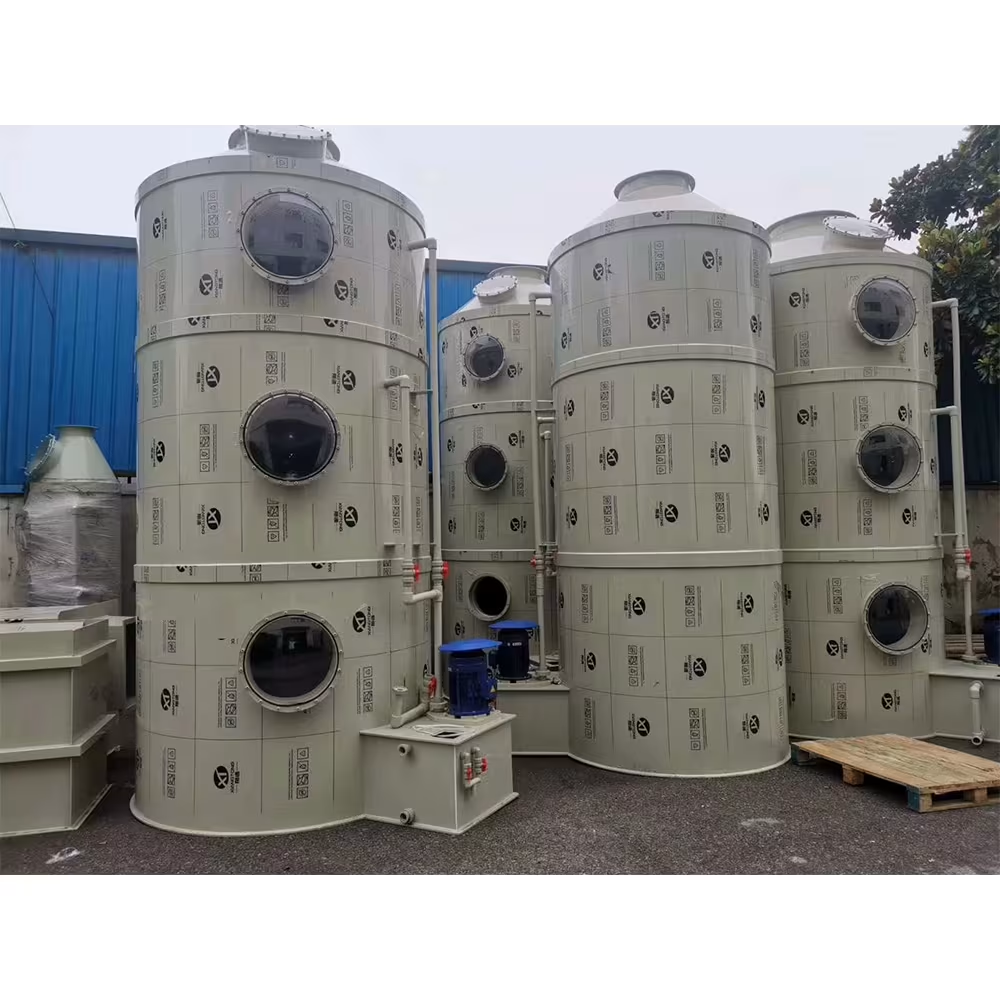
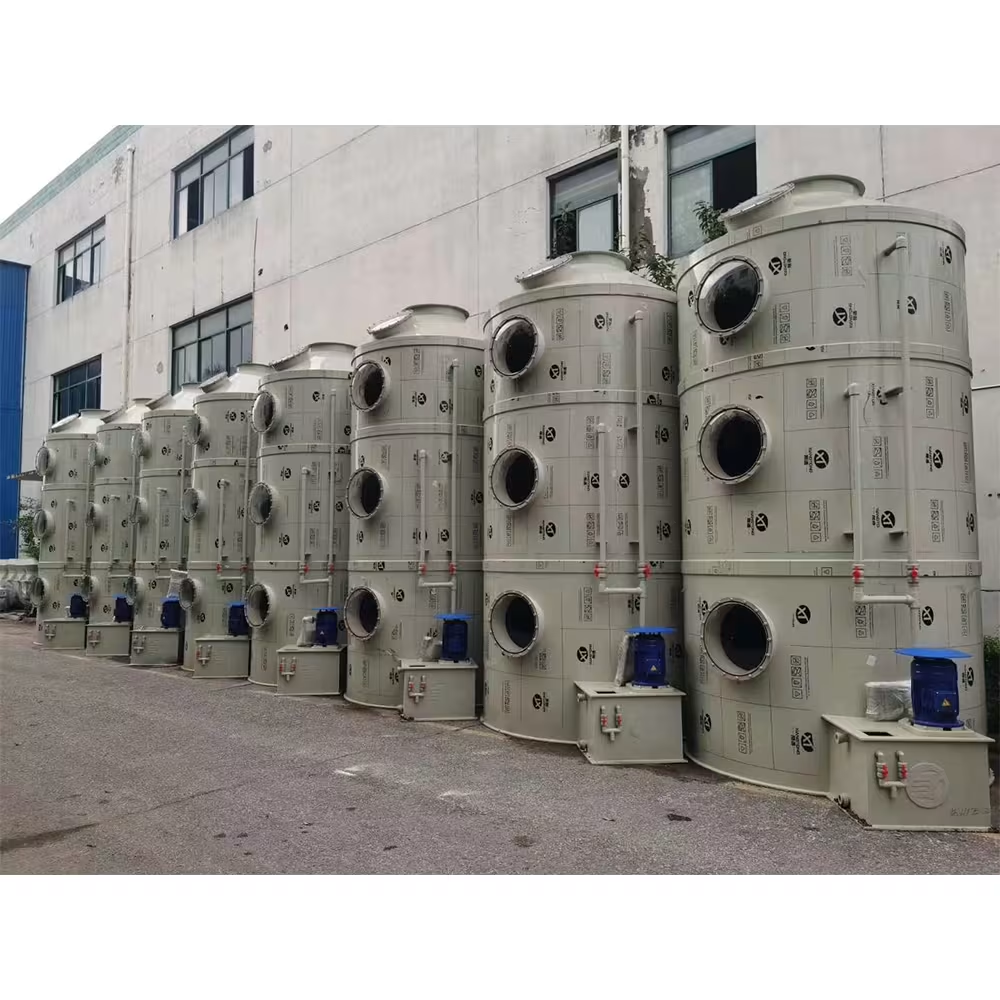
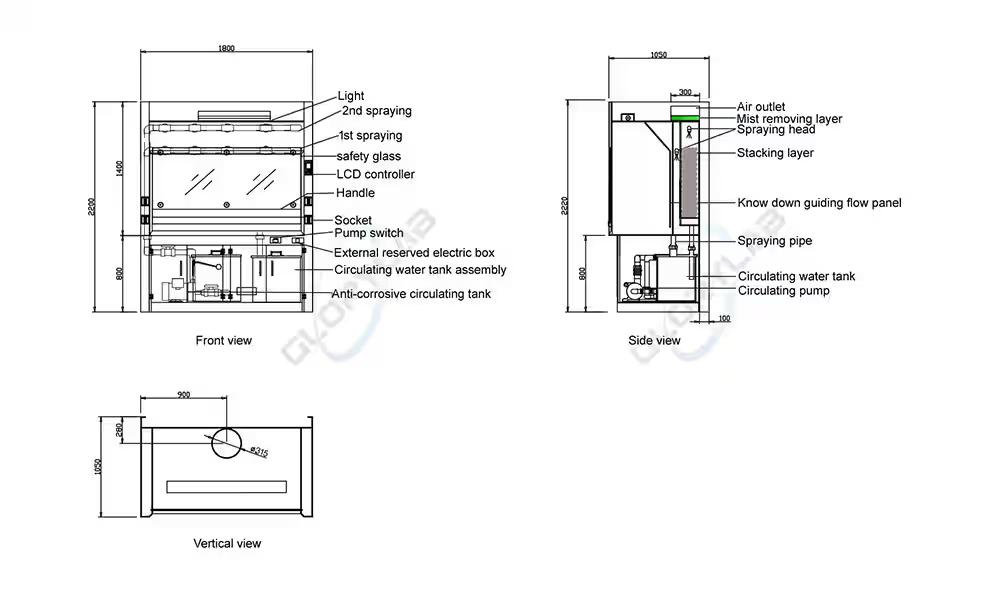
The washdown and circulation system is central to how this hood manages perchloric acid vapor over time. It includes an anti-corrosive pump (4.2 m³/h flow rate, 9m rated head, 260W), a dedicated pipeline, water tank, and valve assembly — all working to periodically rinse interior surfaces where residue would otherwise collect.
This isn’t a cosmetic feature. Consistent washdown is a primary control against crystalline buildup, which is one of the defining hazards of perchloric acid work. Paired with real-time pH monitoring, liquid level display, and leakage status monitoring, the system gives lab personnel a way to track whether washdown conditions are operating within expected parameters — with a whistle alarm to flag deviations.
Key Features
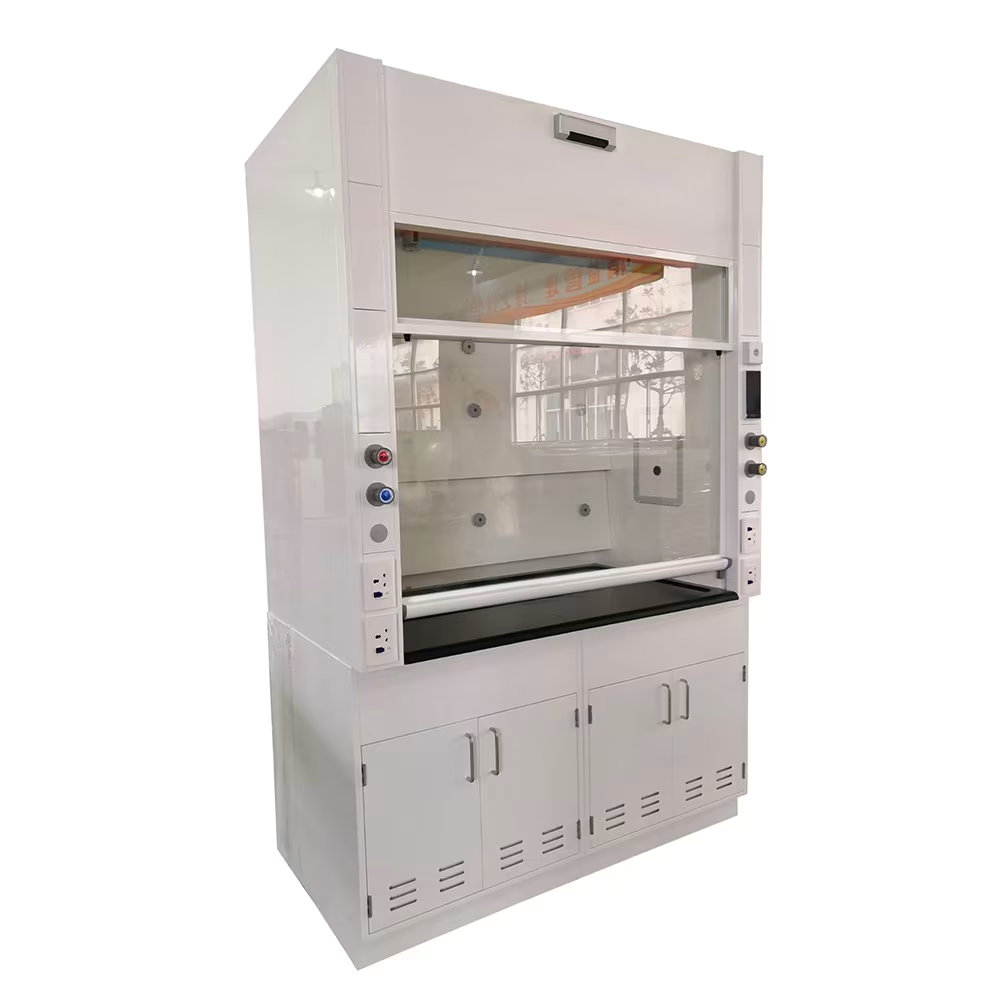
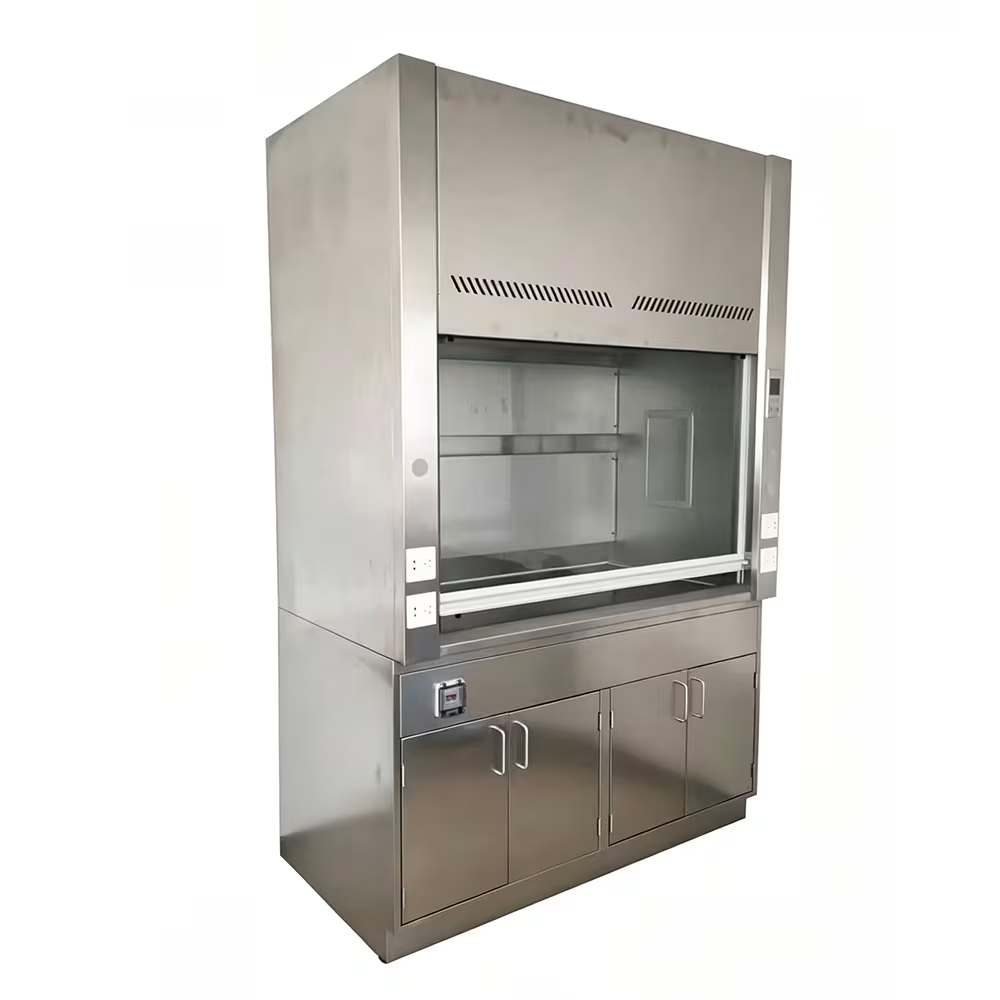
- Fire-retardant PP outer shell (8mm welded, UL94V-0 grade)
- PTFE inner lining rated for strong chemical and high-temperature exposure (200–300°C)
- Optional 10mm PTFE or ceramic worktop
- 5mm PVC glass sash with a maximum opening height of 750mm
- Integrated washdown and circulation system with anti-corrosive pump, pipeline, water tank, and valve
- pH monitoring with whistle alarm, liquid level display, and leakage status monitoring
- Optional auto-dosing system for automated neutralization
- Optional VAV damper system for face velocity and energy management
- LED lighting exceeding 400 LUX
- Average air face velocity of 0.4–0.5 m/s
- Noise level below 65dB
Material and Safety Considerations
- This hood must display the warning label: “Special for perchloric acid, no use of organic chemicals.”
- Organic, flammable, or oily substances must not be introduced into the hood under any circumstances.
- 316 stainless steel must not be used as a liner material where hydrofluoric acid (HF) is involved.
- A dedicated, independent exhaust system is required. Do not cross-connect this hood’s ventilation with other systems.
- These considerations reflect the specialized nature of perchloric acid work and are separate from general lab safety practices that should also apply.
Who It’s For
The JH-FC027 is built for labs where perchloric acid or mixed-acid digestion is a routine part of sample preparation, including:
- Mining and geochemistry laboratories
- Analytical labs performing acid digestion procedures
- Materials testing laboratories
If your lab’s workflow does not involve perchloric acid specifically, a standard chemical fume hood is likely a better fit — this model’s design and cost are optimized for perchloric acid applications.
Technical Specifications
|
Specification |
Detail |
|---|---|
|
Working height |
850mm |
|
Available sizes |
FC1200: 1200×1150×2350mm; FC1500: 1500×1150×2350mm; FC1800: 1800×1150×2350mm |
|
Outer shell |
Fire-retardant PP, 8mm welded, UL94V-0 grade |
|
Inner lining |
PTFE, rated for 200–300°C |
|
Worktop (optional) |
10mm PTFE or ceramic |
|
Sash |
5mm PVC glass, max opening height 750mm |
|
Washdown pump |
Anti-corrosive, 4.2 m³/h flow rate, 9m rated head, 260W |
|
Air face velocity |
0.4–0.5 m/s (average) |
|
Lighting |
LED, >400 LUX |
|
Noise level |
Below 65dB |
|
Power supply |
220/380V, 50/60Hz, single or three phase |
Standard Accessories
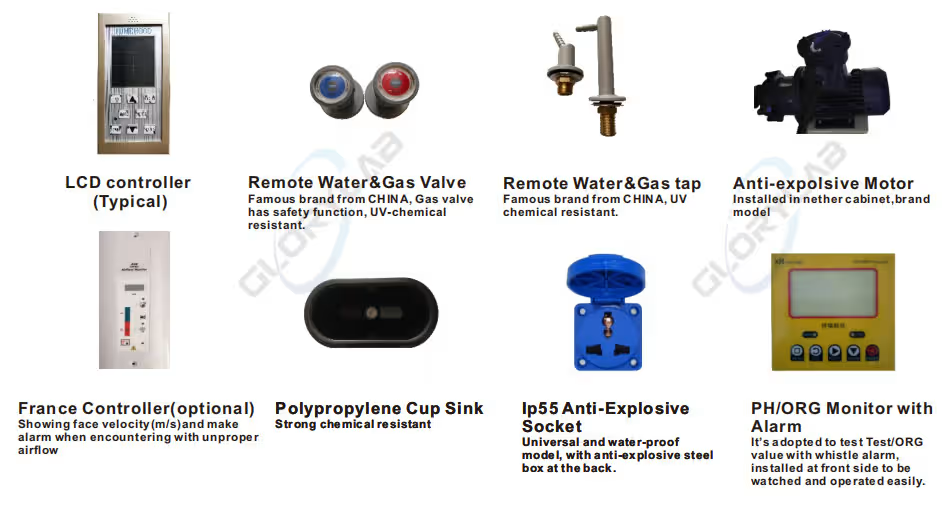
- LC controller
- LED lamp
- Remote water and gas fitting
- 4 anti-explosive sockets
- Air switch
- Emergency button
- pH/ORP test meter
- 1 PP cup sink
Accessories of Perchloric Acid Fume Cupboard
Working Principle Drawing
Optional Configurations
- Auto-dosing system for automated neutralization
- VAV damper system for face velocity and energy management
- 10mm PTFE or ceramic worktop upgrade
Model Comparison
|
Model |
Exterior Dimensions |
Working Height |
Best Suited For |
|---|---|---|---|
|
FC1200 |
1200×1150×2350mm |
850mm |
Smaller labs or lower sample throughput |
|
FC1500 |
1500×1150×2350mm |
850mm |
Mid-sized labs with moderate digestion volume |
|
FC1800 |
1800×1150×2350mm |
850mm |
Higher-throughput labs or multi-operator setups |
FAQ
Can this hood be used for anything other than perchloric acid work?
No. This hood is specifically designed for perchloric acid and mixed-acid digestion. Organic, flammable, or oily substances must not be used inside it, and the unit carries a visible warning label to that effect.
Does this hood need its own exhaust system?
Yes. The JH-FC027 requires an independent, dedicated exhaust system and must not be cross-connected with other ventilation in the facility.
Can I use 316 stainless steel components with this hood if my lab also works with HF?
No. 316 stainless steel must not be used as a liner where hydrofluoric acid is involved. Consult with our team if your lab’s workflow includes HF alongside perchloric acid procedures.
How does the washdown system reduce risk?
The integrated system periodically rinses the interior cavity to limit the buildup of crystalline residue, a known hazard associated with perchloric acid vapor. It’s supported by real-time pH, liquid level, and leakage monitoring with an alarm function.
Which model size is right for my lab?
This depends on your throughput, number of operators, and available floor space. Our team can help you evaluate this — submit your lab layout or requirements when requesting a quote.
Is the auto-dosing or VAV system necessary?
Not for every installation. These are optional configurations for labs seeking automated neutralization or additional energy and face-velocity management. Our team can advise based on your specific project requirements.