
Core Benefits
Lower Operating Costs Through Intelligent Airflow
Pressure-independent VAV control adjusts extraction volume based on actual sash position and usage, easing the demand placed on HVAC systems and reducing long-term energy consumption.
Stable Containment, Regardless of Conditions
Face velocity is maintained at a consistent target regardless of sash position or pressure fluctuations elsewhere in the duct network, supporting reliable containment performance over time.
Automated Safety Features
The auto-sash system, combined with anti-collision and area sensors, is designed to reduce manual oversight requirements and support safer day-to-day operation.
Durable, Corrosion-Resistant Construction
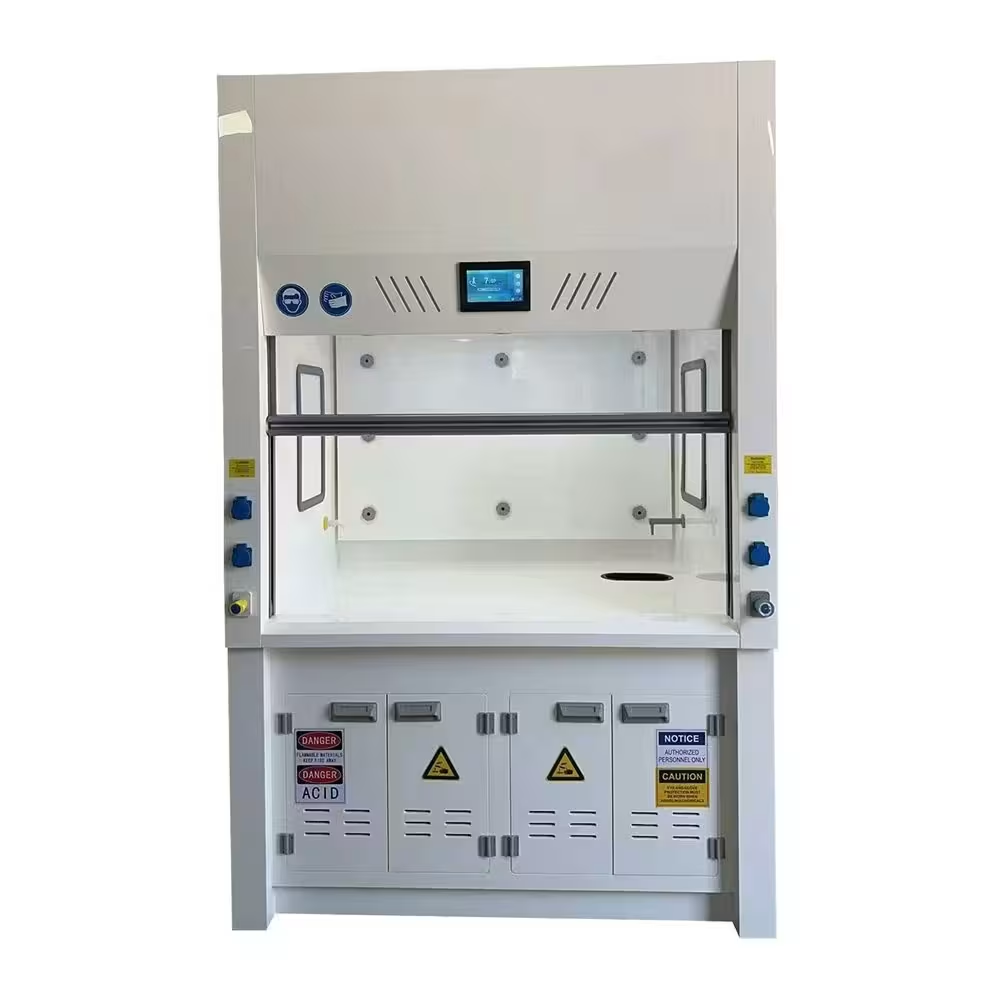
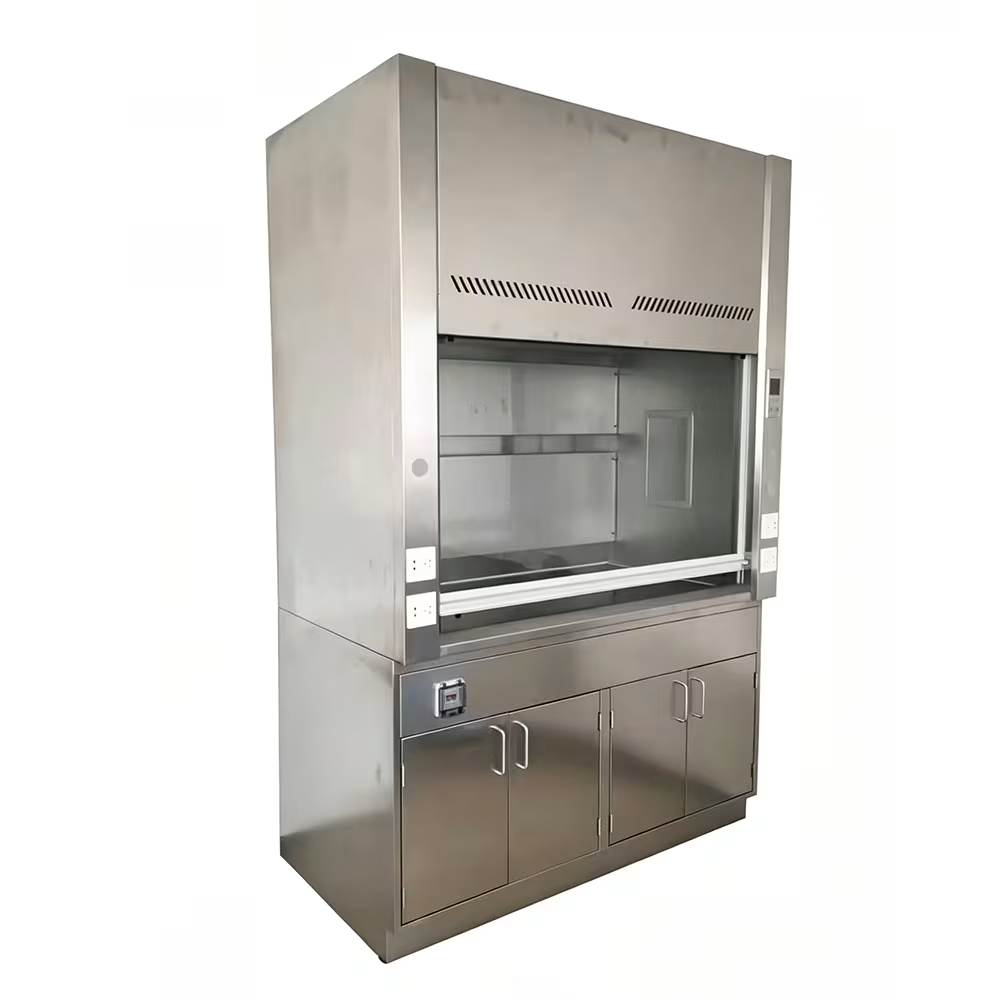
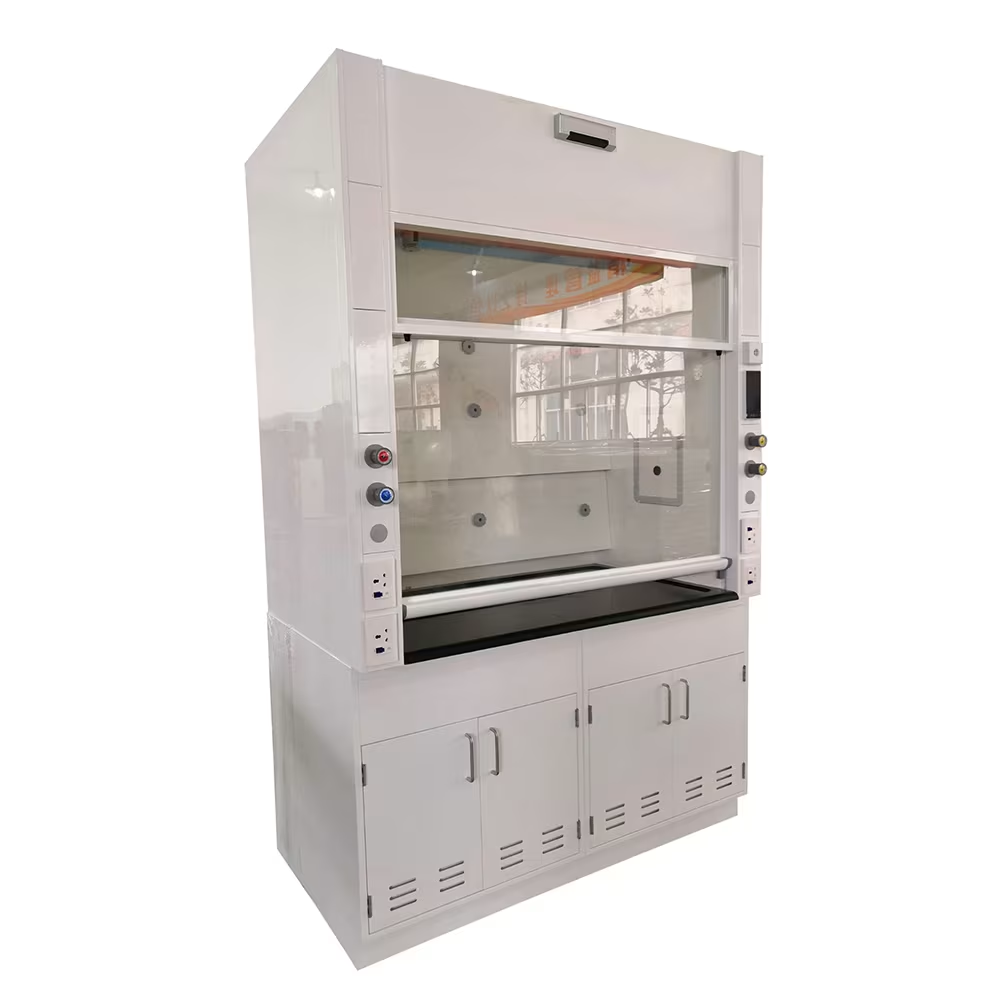
A 1.0mm galvanized steel exterior with powder coating and a 5mm phenolic resin liner is built to withstand demanding lab environments over the long term.
Key Features
Integrated VAV Control Package
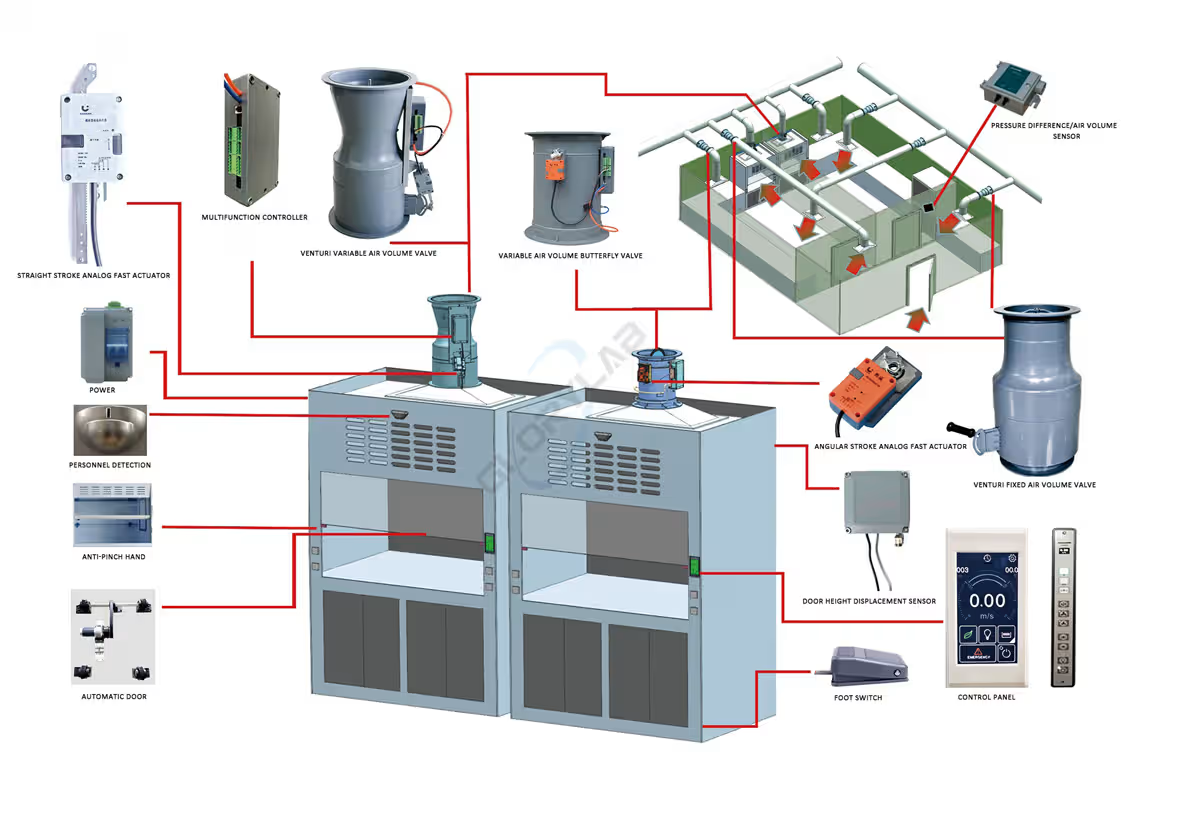
Includes a face velocity sensor, VAV controller, auto sash system, area sensor, and anti-collision sensor, working together to regulate airflow based on real-time conditions inside and around the hood.
Adaptive Airflow Management
The system automatically reduces extraction during idle periods and increases it when work resumes, aligning ventilation with actual lab activity rather than running at a fixed rate continuously.
Pressure-Independent Control
Maintains a consistent face velocity of approximately 0.5m/s, even as pressure conditions change elsewhere in the connected duct network.
Sash and Frame Construction
A one-piece 5mm tempered safety glass sash operates within an aluminum alloy frame via synchronous belt transmission, supporting smooth, reliable movement.
Chemical-Resistant Worktop
A 19mm epoxy resin worktop with a 25mm edge comes standard, with optional ceramic or phenolic resin surfaces available depending on lab requirements.
Integrated Utilities and Lighting
Includes a 30W daylight lamp (>400 LUX), an LCD control panel, four waterproof electric sockets, and brand-name remote water and gas fittings with safety shut-off functions.
Under-Cabinet Storage
Double-walled galvanized steel cabinet doors with hydraulic hinges provide organized storage beneath the work surface, along with a built-in PP cup sink.
Technical Specifications
|
Specification |
Details |
|---|---|
|
Model |
JH-FC022 |
|
Airflow Control |
Integrated VAV system with face velocity sensor, VAV controller, auto sash, area sensor, anti-collision sensor |
|
Target Face Velocity |
Approx. 0.5 m/s |
|
Sash |
One-piece 5mm tempered safety glass, aluminum alloy frame, synchronous belt transmission |
|
Exterior |
1.0mm galvanized steel with corrosion-resistant powder coating |
|
Interior Liner |
5mm phenolic resin |
|
Worktop |
19mm epoxy resin, 25mm edge (optional ceramic/phenolic resin) |
|
Lighting |
30W daylight lamp (>400 LUX) |
|
Control Panel |
LCD control panel |
|
Electrical Outlets |
4 waterproof electric sockets |
|
Fittings |
Brand-name remote water and gas fittings with safety shut-off |
|
Storage |
Under-cabinet storage, double-walled galvanized steel doors, hydraulic hinges |
|
Sink |
Built-in PP cup sink |
Who It’s For
The JH-FC022 is designed for laboratories where long-term operating cost control and advanced safety compliance are both priorities:
- Pharmaceutical laboratories that require consistent containment performance alongside energy efficiency during continuous operation.
- University and research institutions managing multiple fume hoods across a facility, where cumulative HVAC savings have a measurable budget impact.
- Industrial laboratories with high-turnover workstations, where automated sash and safety controls help reduce reliance on manual operator compliance.
Procurement teams and facilities managers evaluating this model typically prioritize documented energy performance, stable containment specifications, and manufacturer-backed technical support during specification review.
Frequently Asked Questions
What does “VAV” mean in the context of this fume hood?
VAV stands for Variable Air Volume. Rather than extracting air at a fixed rate at all times, the JH-FC022 adjusts extraction volume based on real-time sash position and usage, reducing unnecessary airflow during idle periods.
How does the system maintain consistent face velocity if duct pressure changes?
The unit uses pressure-independent control technology. Its integrated sensors and controller continuously adjust airflow to maintain the target face velocity of approximately 0.5 m/s, regardless of pressure fluctuations elsewhere in the connected duct network.
What safety features are built into the auto-sash system?
The auto-sash system works alongside an anti-collision sensor and an area presence sensor. Together, they reduce the risk of manual sash misuse and improve response to operator presence at the workstation.
Can the worktop material be customized?
Yes. The JH-FC022 ships standard with a 19mm epoxy resin worktop, with ceramic or phenolic resin surfaces available as project-specific alternatives.
Is this model suitable for retrofitting into an existing duct network?
The JH-FC022’s pressure-independent control is designed to maintain performance in duct networks with fluctuating pressure, making it suitable for integration into varied facility configurations. Please confirm specific compatibility with our technical team based on your existing system specifications.